plagued by longing 2024 - ongoing


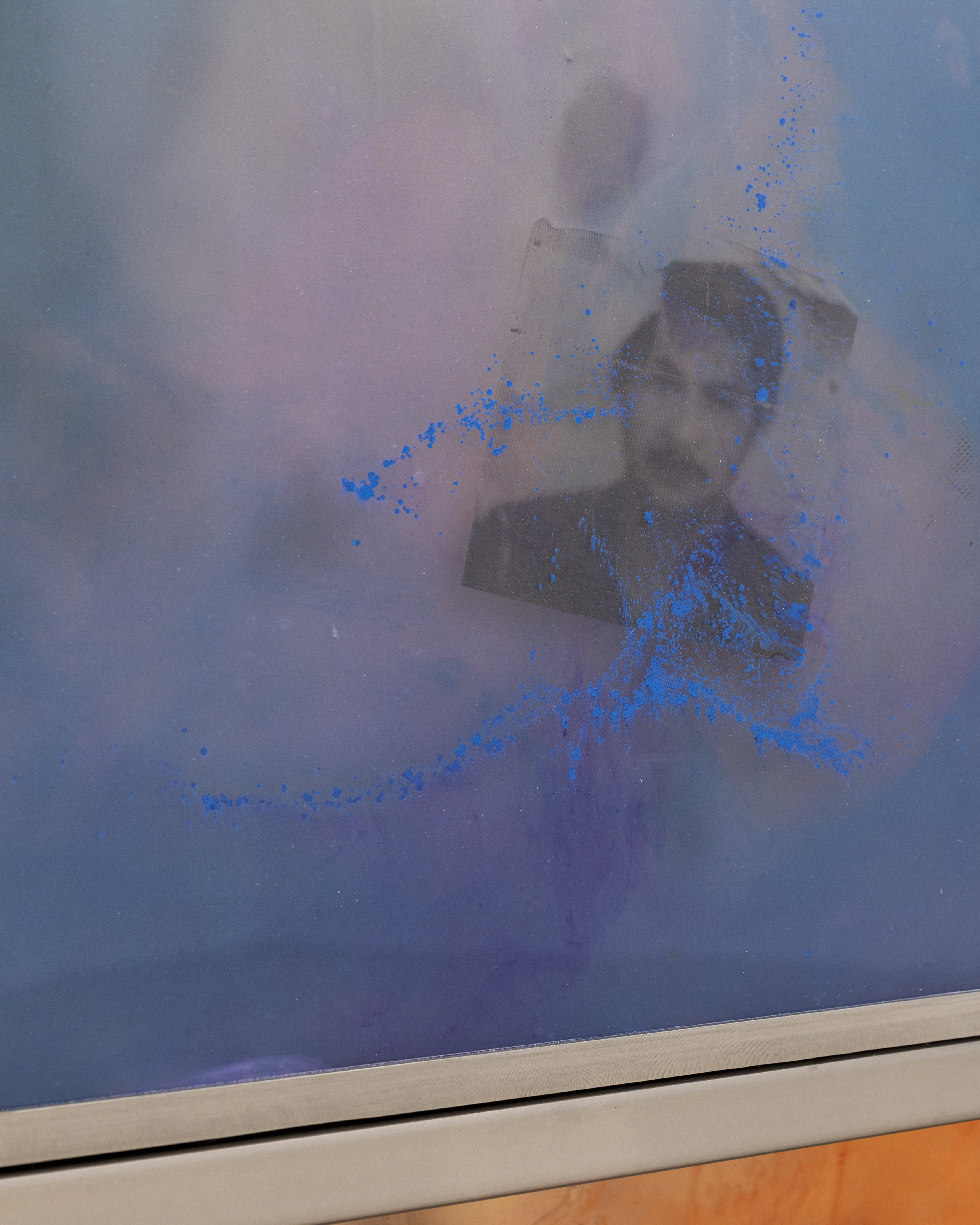
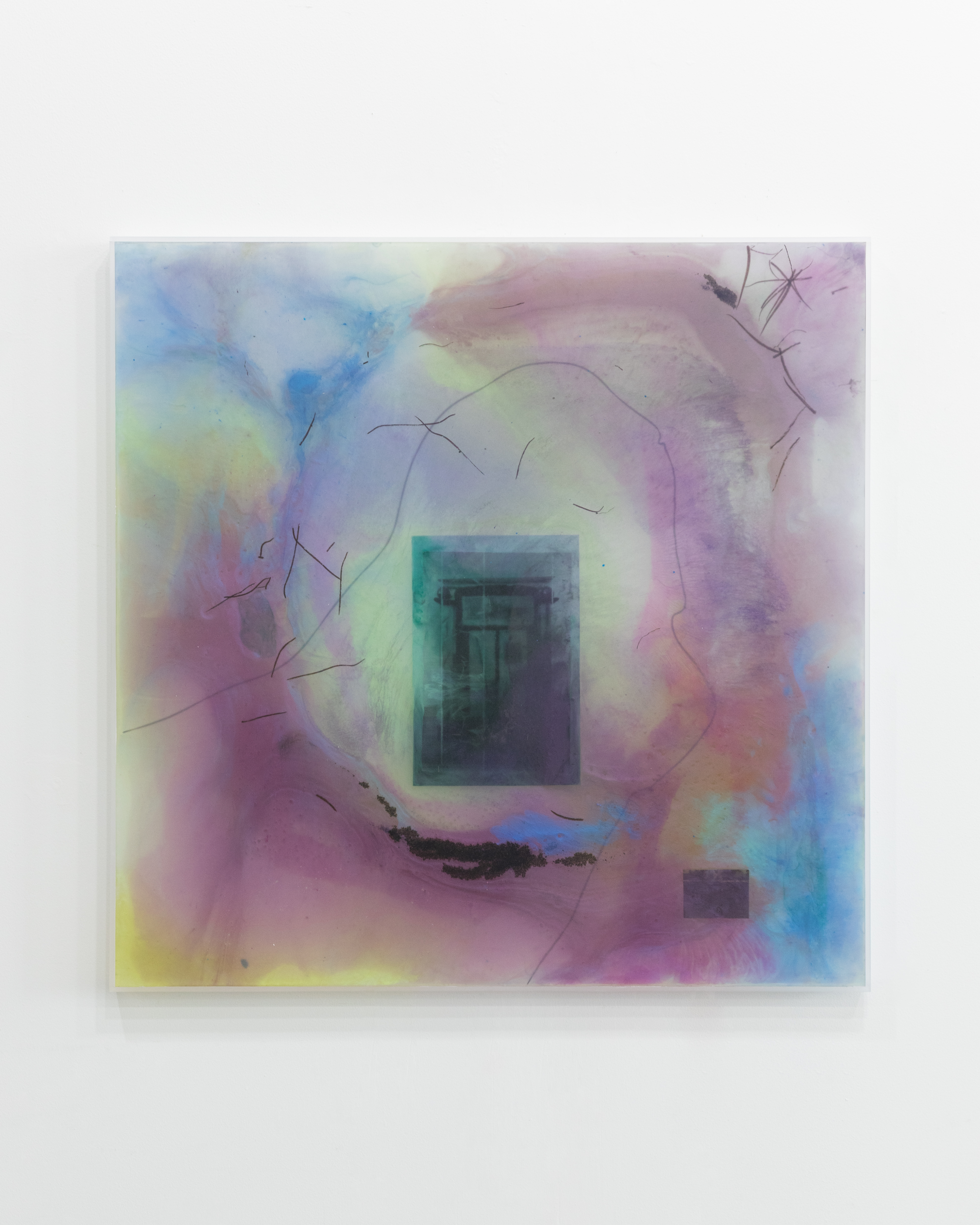

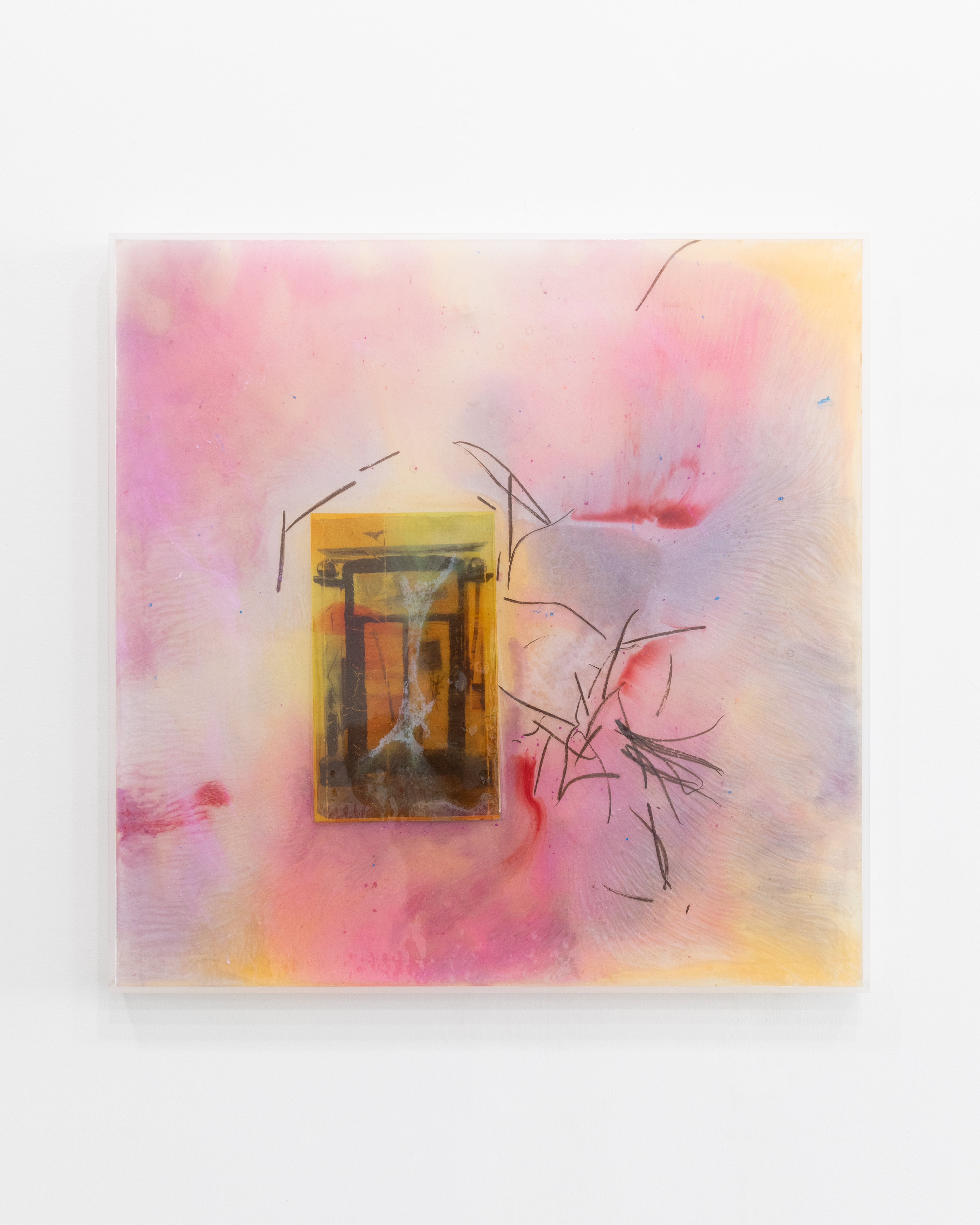


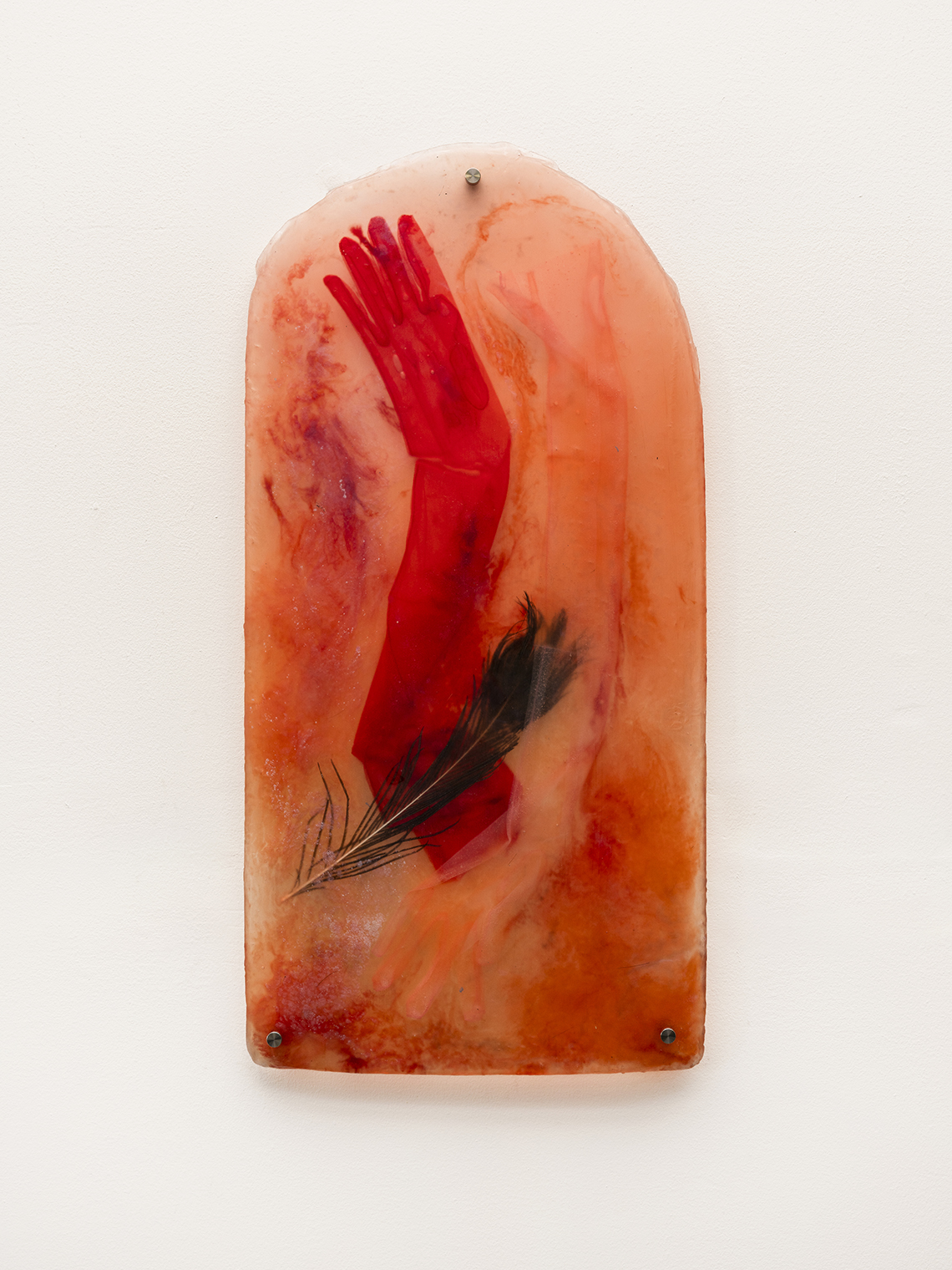
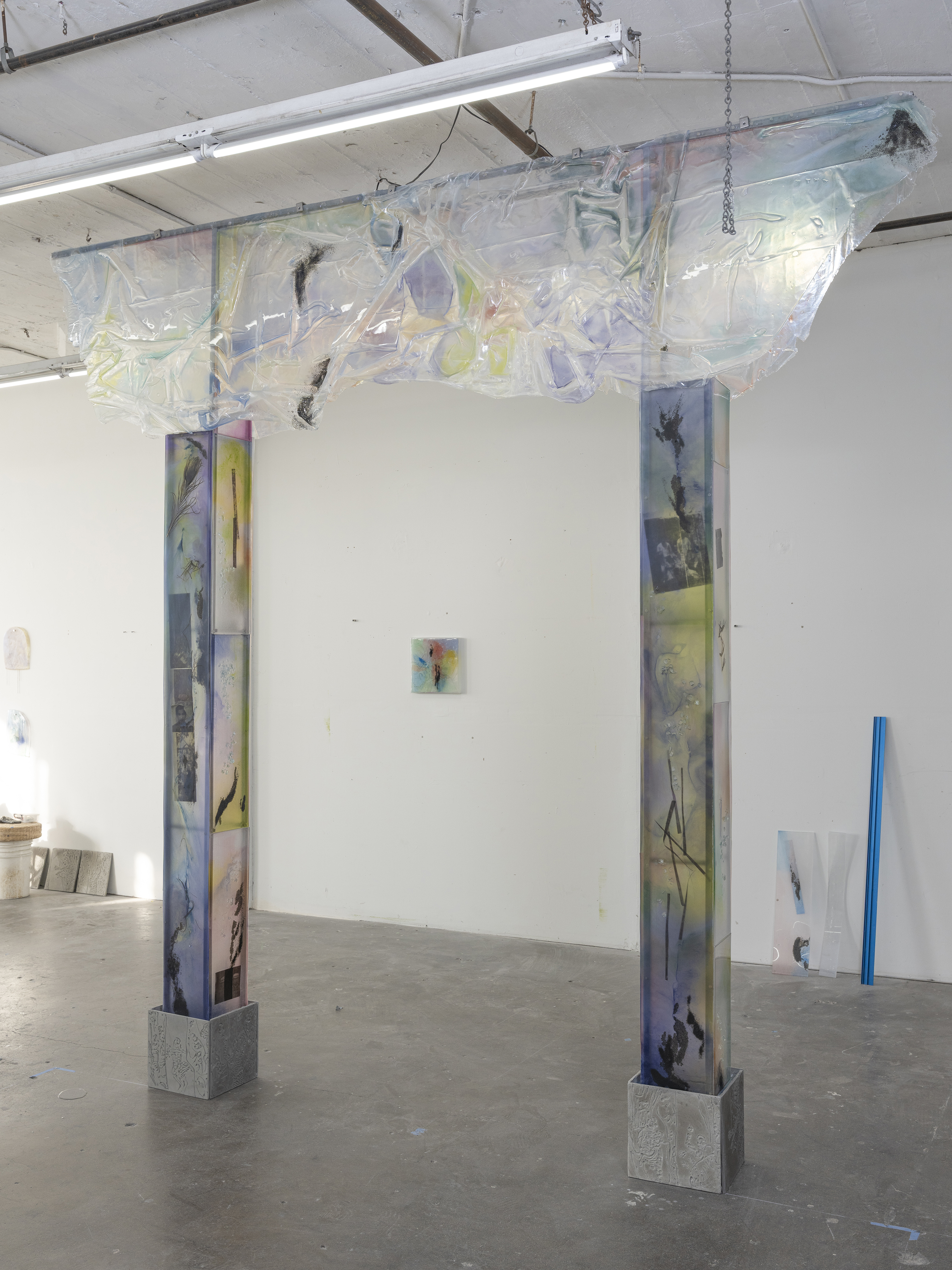

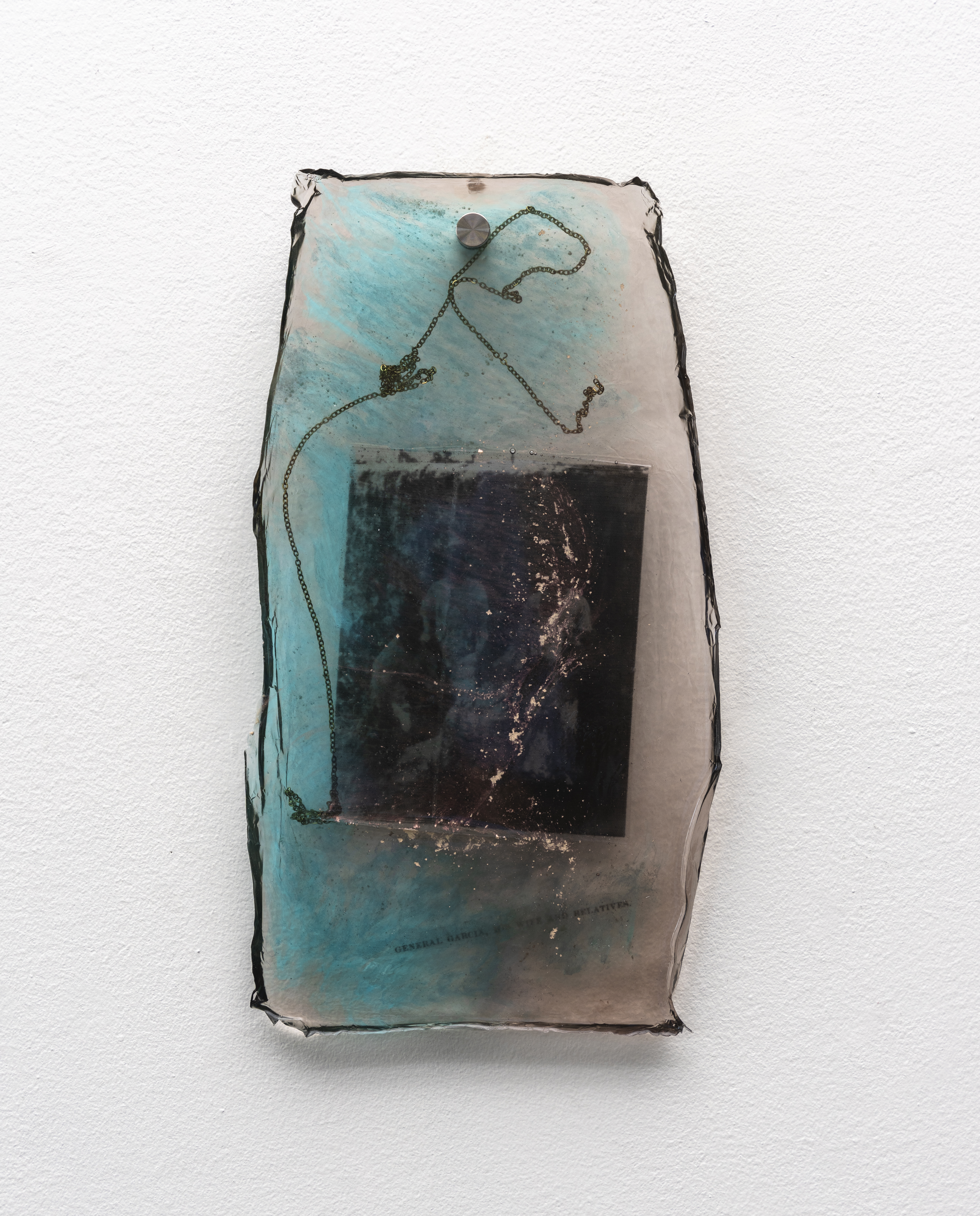

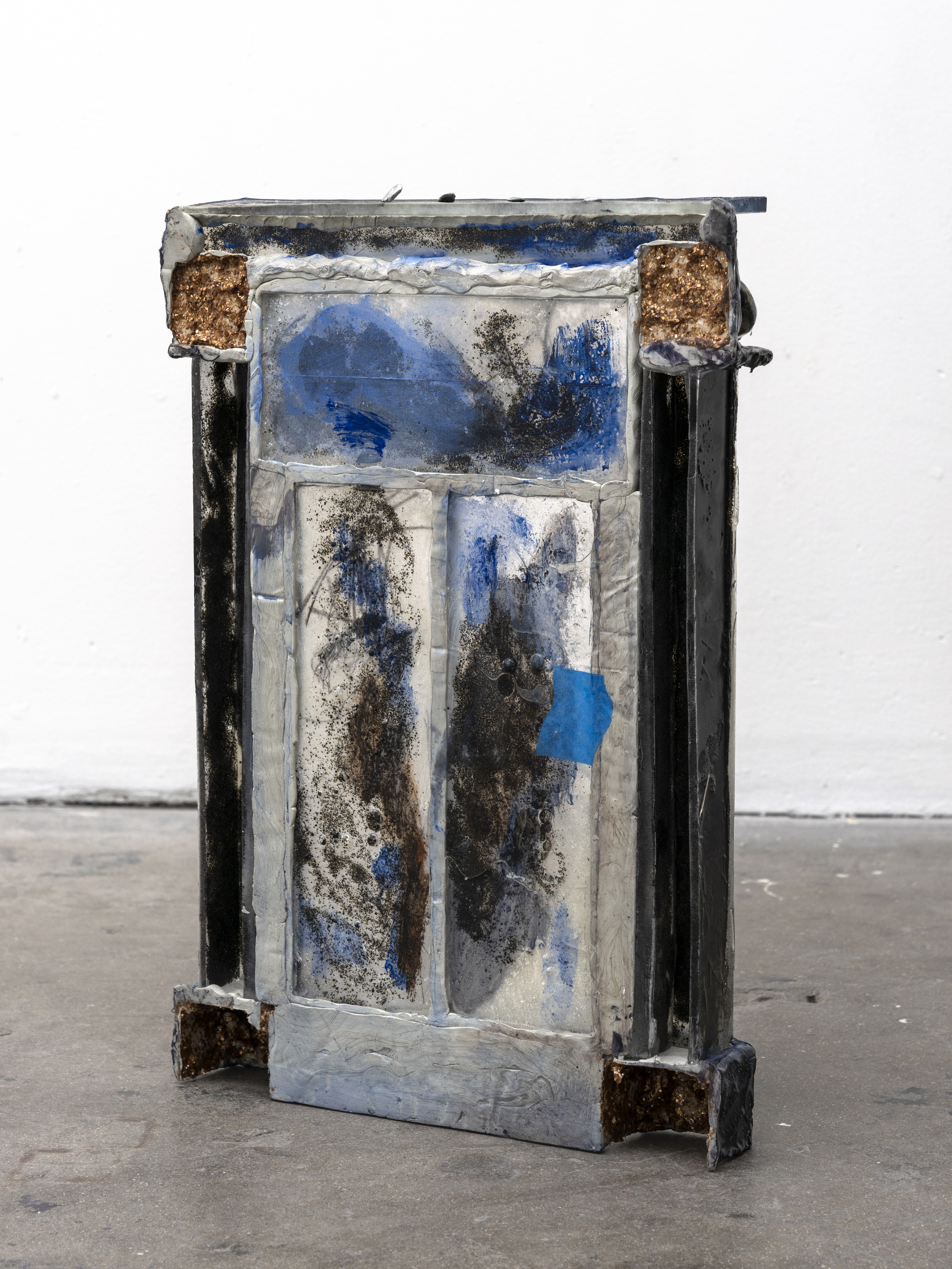
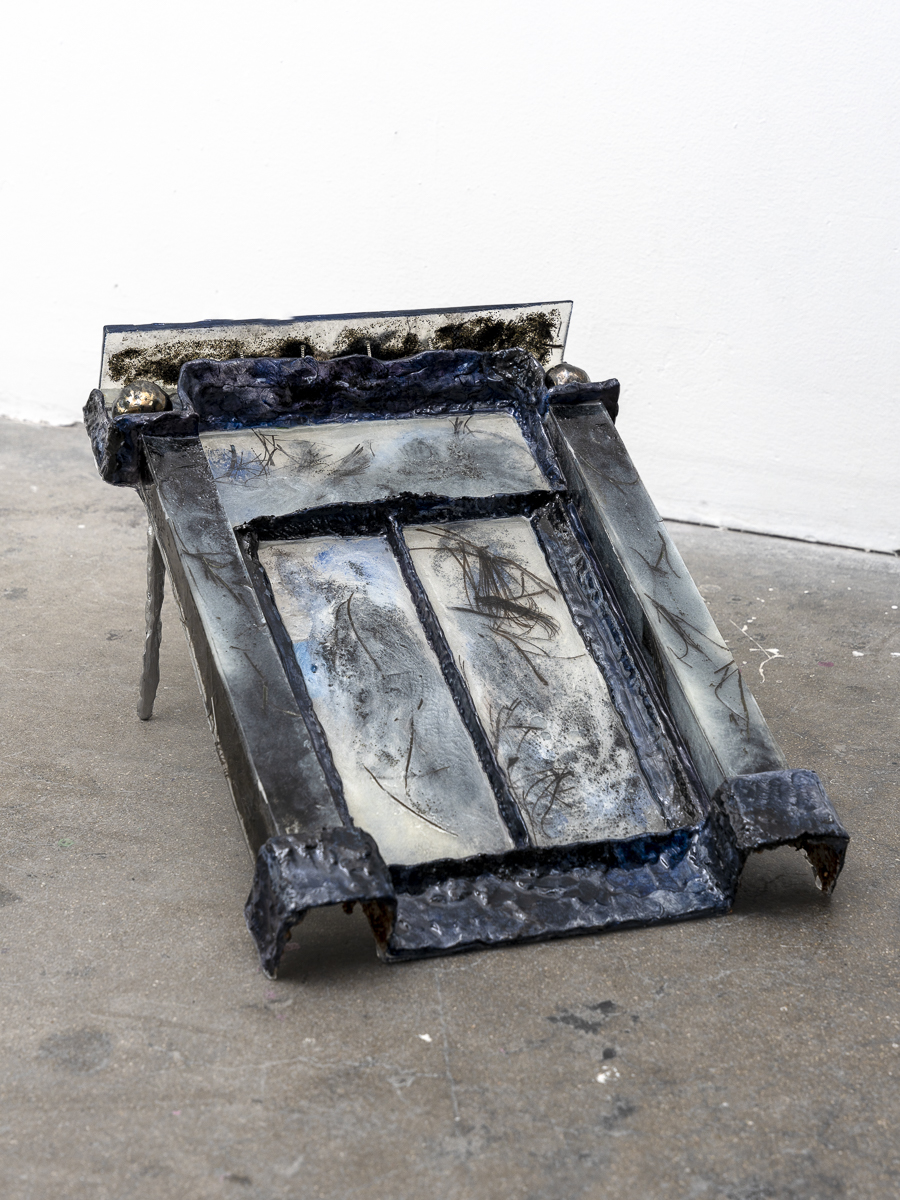
plagued by longing is an ongoing series its current iteration opens November 2026 at Luis De Jesus Los Angeles.
Variations of this project have been featured with Feia Gallery, Luis De Jesus Los Angeles, and at DMST Atelier.
Articles: How artistic research preserves cultural memory and care by Debra Herrick; Alongside Húóng Ngô and Kim Garcia in dialogue, LUM Art Magazine
Photo documentation by Matt Savitsky and Möe Wakai.
(Right-click open in new tab to see Hi-Res images)
plagued by longing begins with my father — his near-death experience, the memory loss that followed, and the daily realities of living alongside his dementia. Caring for him became a way of asking larger questions: what do we inherit, and what gets lost? Where does belonging begin?
From there, the work expands into history. Tracing my father's lineage back to his great grandfather, Don Prudencio Garcia — a general in Surigao documented at the transition from Spanish to American colonial rule in the Philippines — the series locates a possible origin point of Filipino American identity in my own family line. The archive is fragmentary, shaped by empire. So is memory.
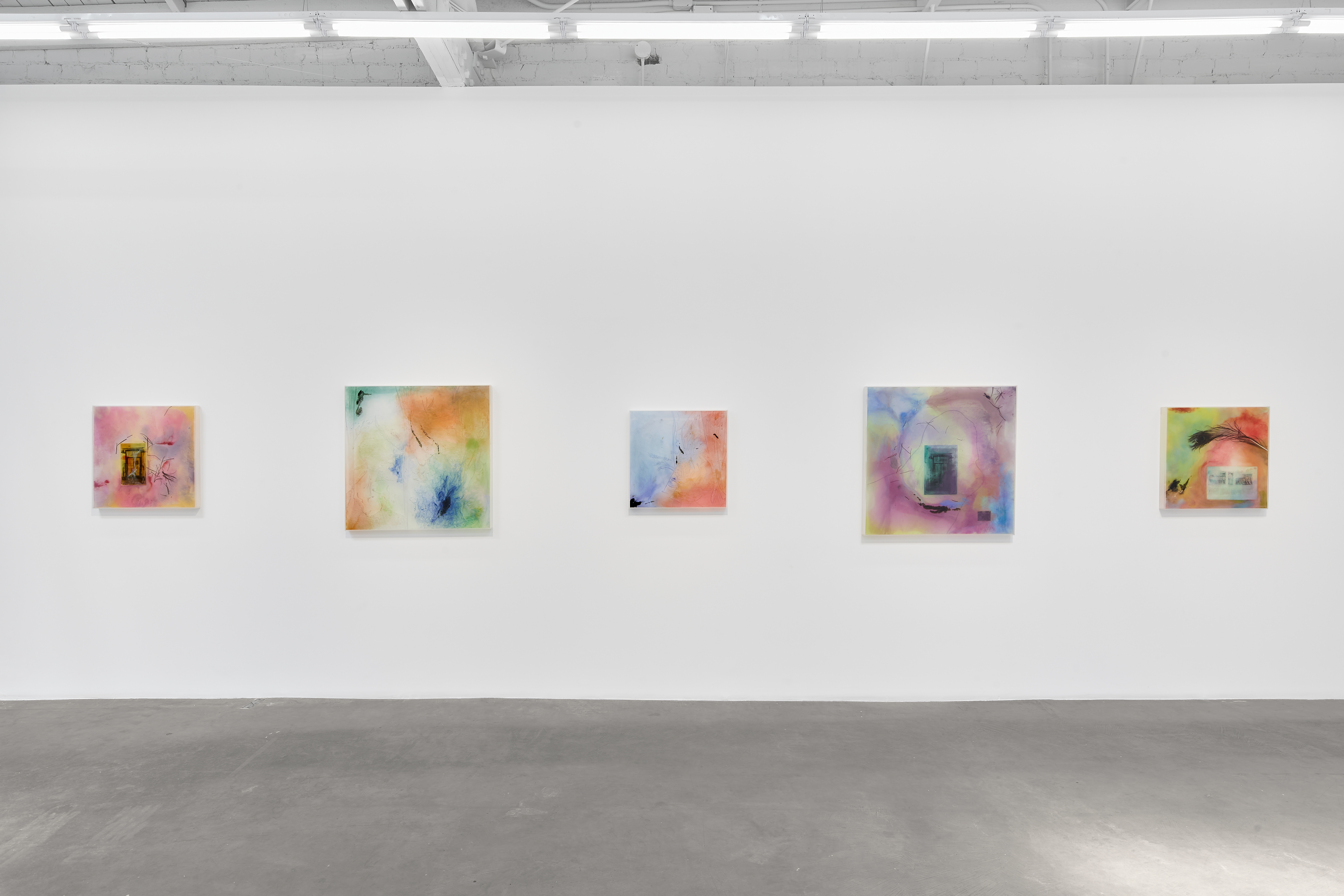
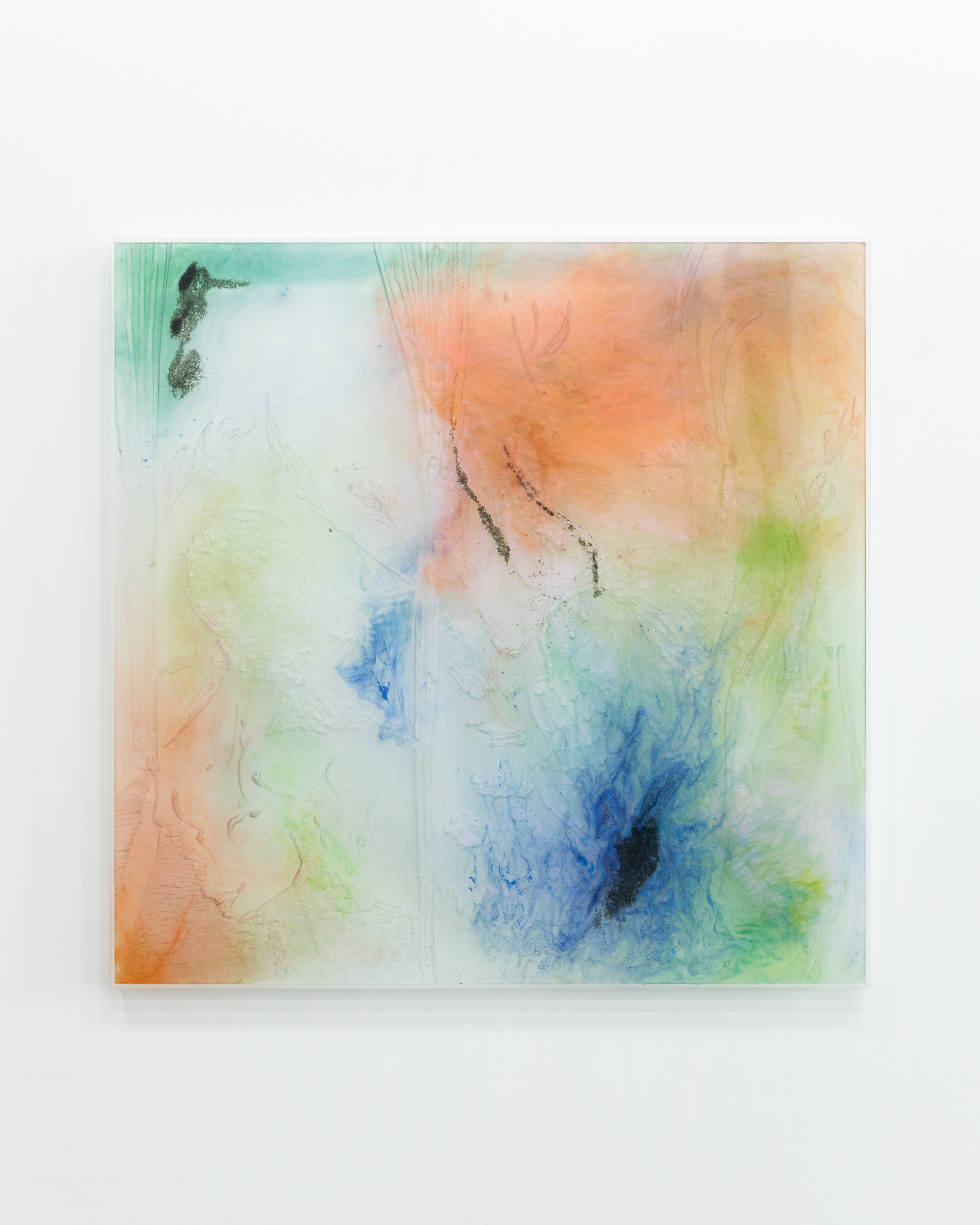
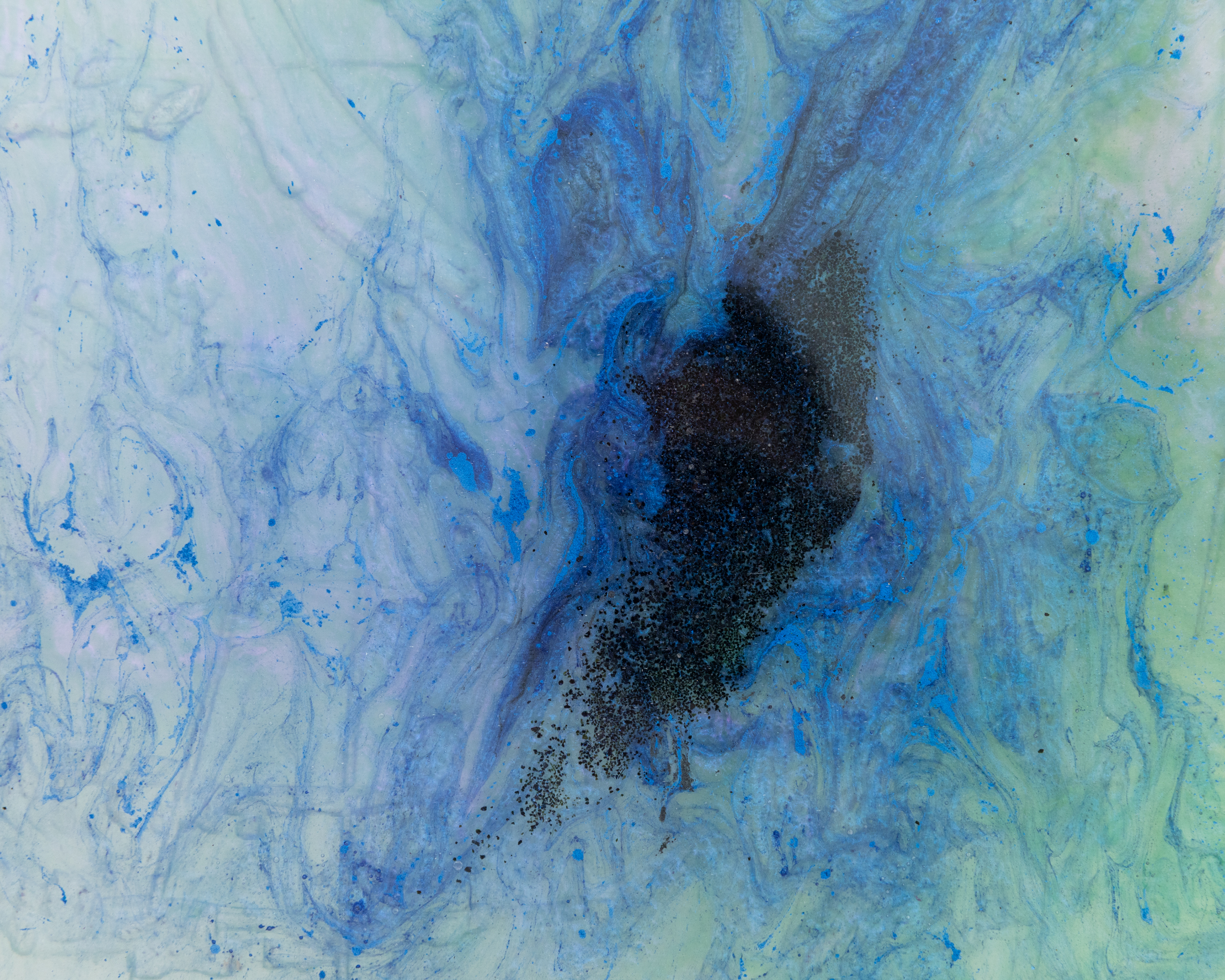
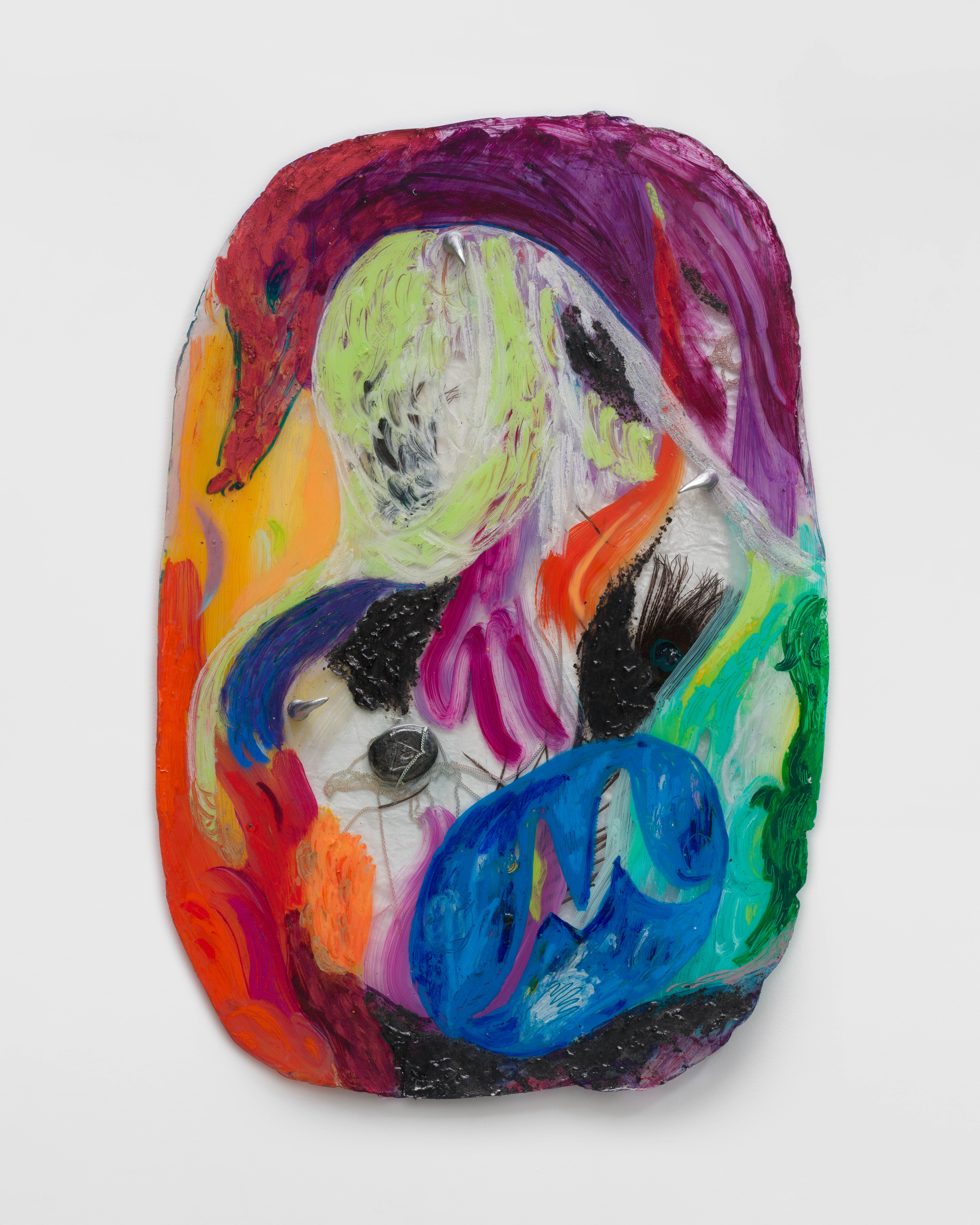
The work begins with family photographs brought into contact with historical images, including those of Don Prudencio and his family. In some works, I etch directly into the surface — tracing and disrupting the source images, carving as a way of physically engaging the photograph. These marks are not exact translations but partial records, shaped by slippage, pressure, and interruption. In others, I isolate enlarged sections of photographs until the image becomes unstable, opening space for interpretation rather than relying on a fixed or complete view. These surfaces become the foundation for layered compositions of resin, pigment, and embedded photographs. Necklace chains run through and across the work — materials I return to across series as a way of thinking about inheritance: the object passed down from a loved one, the tether to a person or ancestor, the relationship held in all its tangled iterations. Chains adorn and restrain at once, and that complication feels central here, where what is carried across generations is never only one thing.
Color plays a critical role. Rather than describing the image, color activates it — saturated fields of blue, red, green, and amber pooling, bleeding, and clouding over embedded imagery. Color becomes a method for locating potential within the murkiness of lost or fragmented histories, holding space for what cannot be fully resolved or recovered.
plagued by longing transforms intimate family histories into expanded visual records, asking how memory, identity, and belonging are shaped across generations by both care and empire.
From there, the work expands into history. Tracing my father's lineage back to his great grandfather, Don Prudencio Garcia — a general in Surigao documented at the transition from Spanish to American colonial rule in the Philippines — the series locates a possible origin point of Filipino American identity in my own family line. The archive is fragmentary, shaped by empire. So is memory.
The work begins with family photographs brought into contact with historical images, including those of Don Prudencio and his family. In some works, I etch directly into the surface — tracing and disrupting the source images, carving as a way of physically engaging the photograph. These marks are not exact translations but partial records, shaped by slippage, pressure, and interruption. In others, I isolate enlarged sections of photographs until the image becomes unstable, opening space for interpretation rather than relying on a fixed or complete view. These surfaces become the foundation for layered compositions of resin, pigment, and embedded photographs. Necklace chains run through and across the work — materials I return to across series as a way of thinking about inheritance: the object passed down from a loved one, the tether to a person or ancestor, the relationship held in all its tangled iterations. Chains adorn and restrain at once, and that complication feels central here, where what is carried across generations is never only one thing.
Color plays a critical role. Rather than describing the image, color activates it — saturated fields of blue, red, green, and amber pooling, bleeding, and clouding over embedded imagery. Color becomes a method for locating potential within the murkiness of lost or fragmented histories, holding space for what cannot be fully resolved or recovered.
plagued by longing transforms intimate family histories into expanded visual records, asking how memory, identity, and belonging are shaped across generations by both care and empire.
Variations of this project have been featured with Feia Gallery, Luis De Jesus Los Angeles, and at DMST Atelier.
Articles: How artistic research preserves cultural memory and care by Debra Herrick; Alongside Húóng Ngô and Kim Garcia in dialogue, LUM Art Magazine
Photo documentation by Matt Savitsky and Möe Wakai.
(Right-click open in new tab to see Hi-Res images)

I’m Still Dancing
This ongoing series draws from intimate dance gatherings that emerged in the wake of the tumultuous year 2020. These gatherings offered a form of solace, using movement as a way to process heightened stress, grief, and uncertainty. This installation transforms these ephemeral moments into a physical space for reflection and communal memory through kinetic sculptures, immersive sound, and video. Though the project initially was in response to 2020, the same issues continue to persist today.
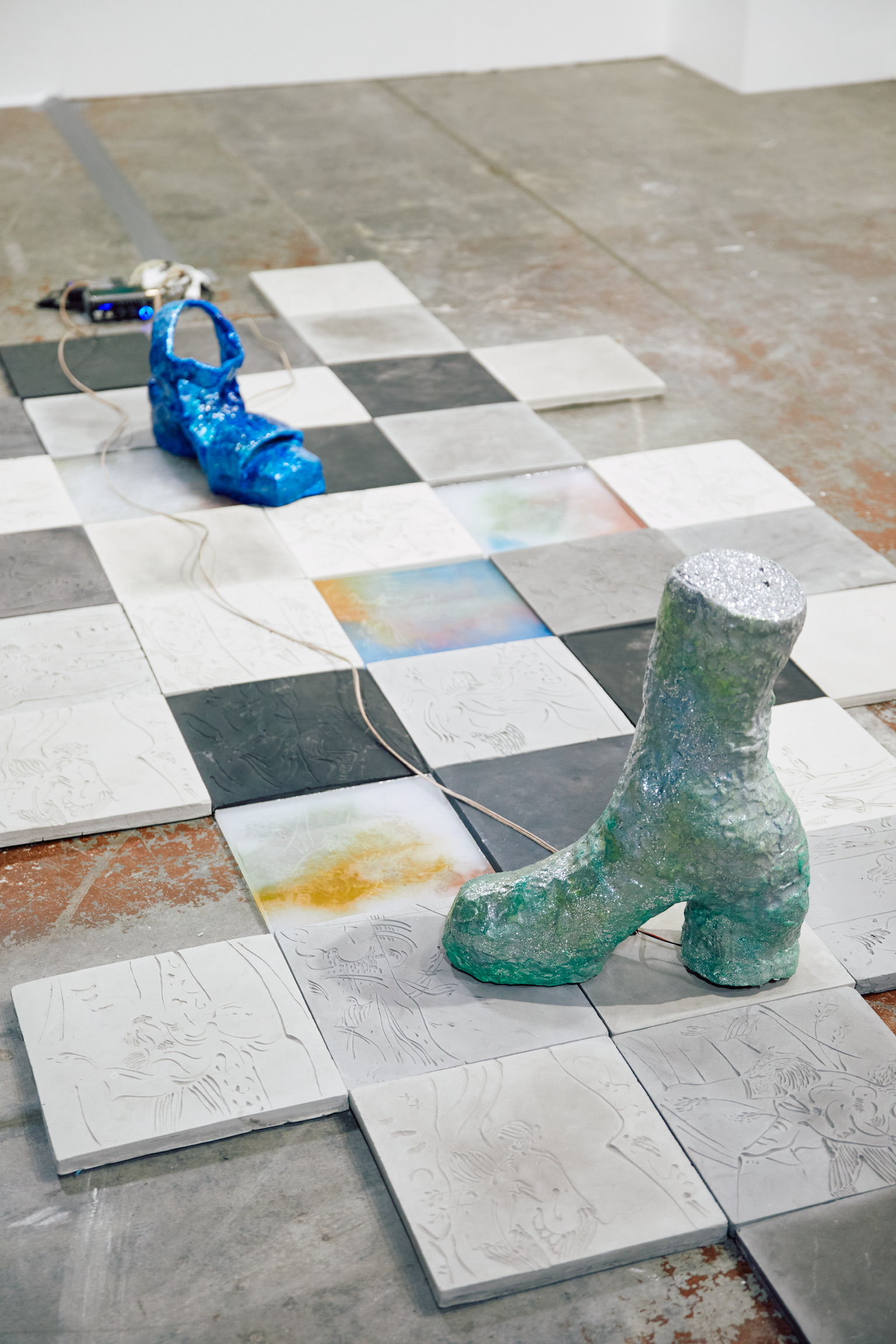
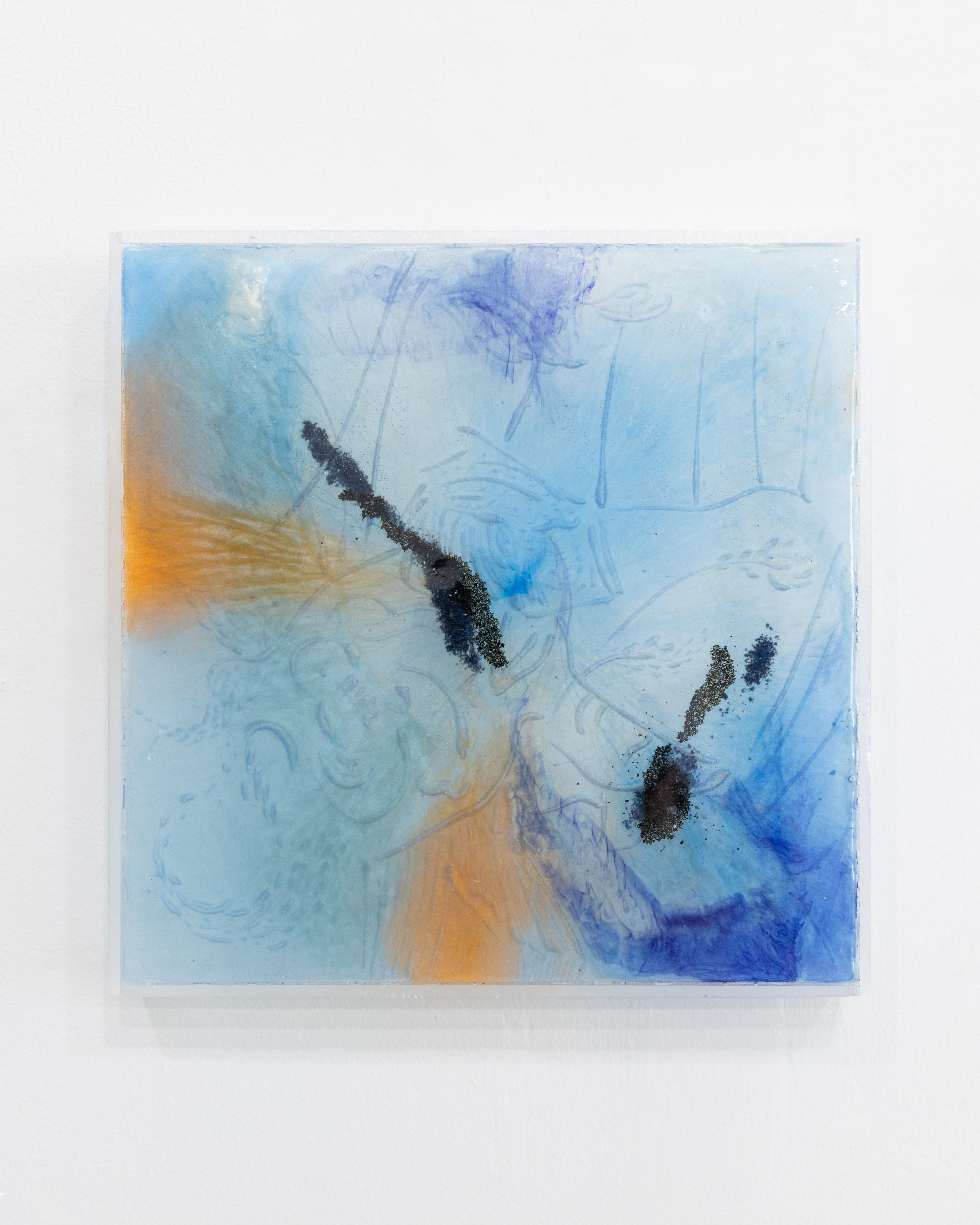
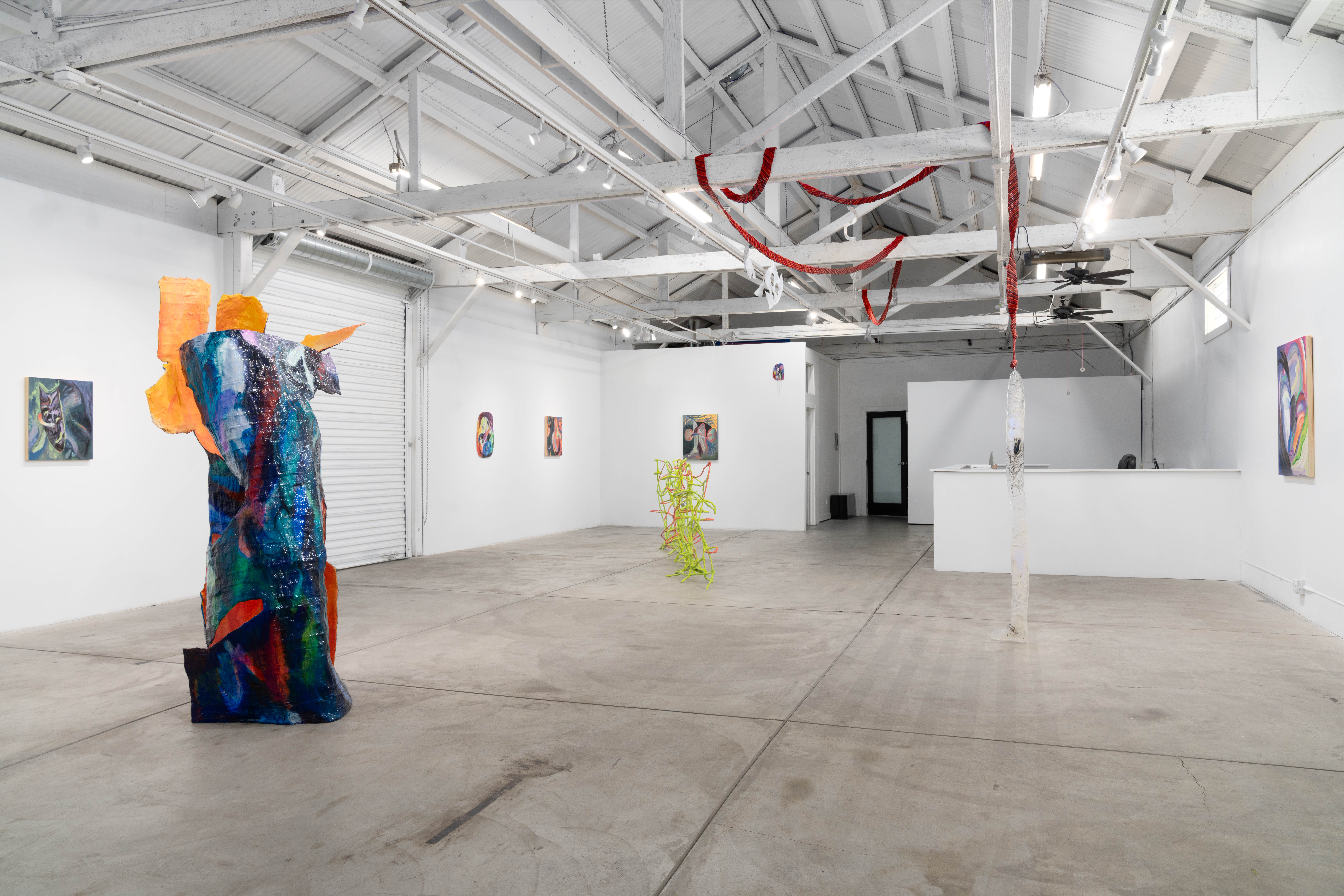
At the heart of this project is an installation featuring a large dance floor embedded with low-frequency vibrations from iconic 90s and 2000s dance tracks. As the bass pulses, oversized shoe sculptures awkwardly propel across the floor, transforming sonic rhythms into physical expressions of release and resistance. Etched drawings on the concrete-tiled surfaces and resin wall panels record these movements, preserving the traces of past dance gatherings. The almost recognizable songs are paired with a harsh jackhammering sound, reminding the viewer that these moments of release still exist within governed architectures.
Iterations of this series have been exhibited with Feia Gallery and Luis De Jesus Los Angeles.
Photo documentation by Matt Savitsky, Möe Wakai, and Luis De Jesus Los Angeles.
(Right-click open in new tab to see Hi-Res images)
This ongoing series draws from intimate dance gatherings that emerged in the wake of the tumultuous year 2020. These gatherings offered a form of solace, using movement as a way to process heightened stress, grief, and uncertainty. This installation transforms these ephemeral moments into a physical space for reflection and communal memory through kinetic sculptures, immersive sound, and video. Though the project initially was in response to 2020, the same issues continue to persist today.
At the heart of this project is an installation featuring a large dance floor embedded with low-frequency vibrations from iconic 90s and 2000s dance tracks. As the bass pulses, oversized shoe sculptures awkwardly propel across the floor, transforming sonic rhythms into physical expressions of release and resistance. Etched drawings on the concrete-tiled surfaces and resin wall panels record these movements, preserving the traces of past dance gatherings. The almost recognizable songs are paired with a harsh jackhammering sound, reminding the viewer that these moments of release still exist within governed architectures.
Iterations of this series have been exhibited with Feia Gallery and Luis De Jesus Los Angeles.
Photo documentation by Matt Savitsky, Möe Wakai, and Luis De Jesus Los Angeles.
(Right-click open in new tab to see Hi-Res images)
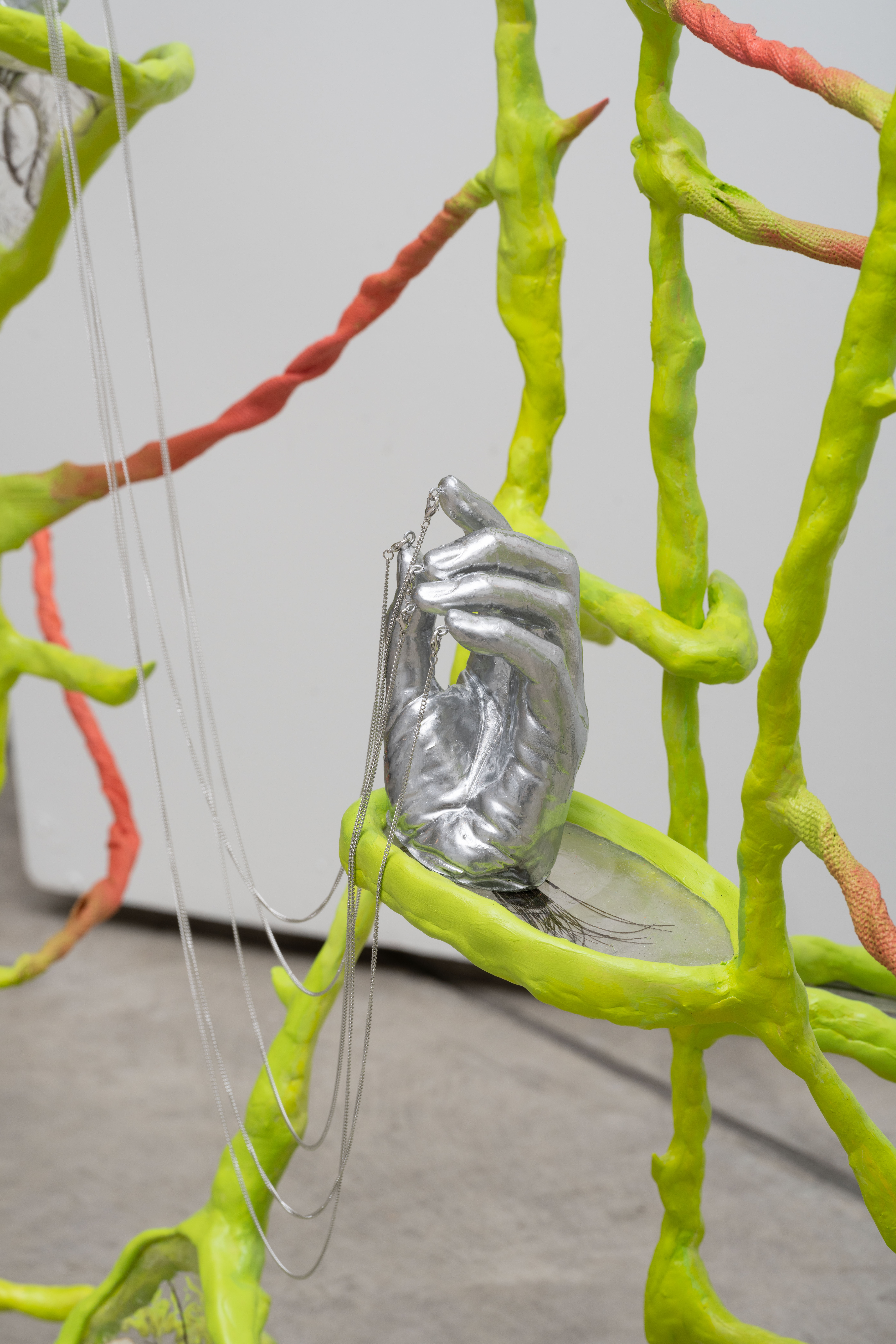
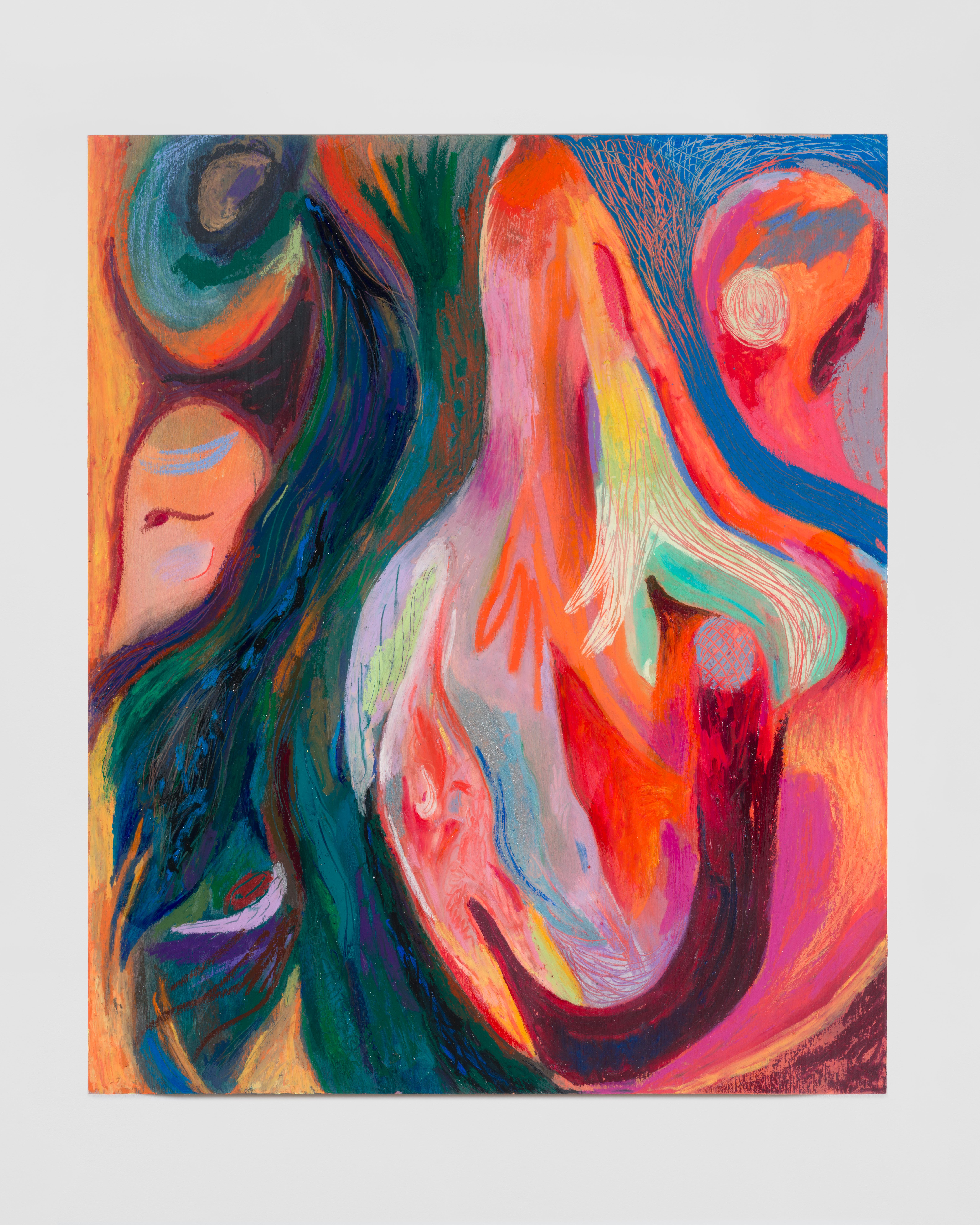
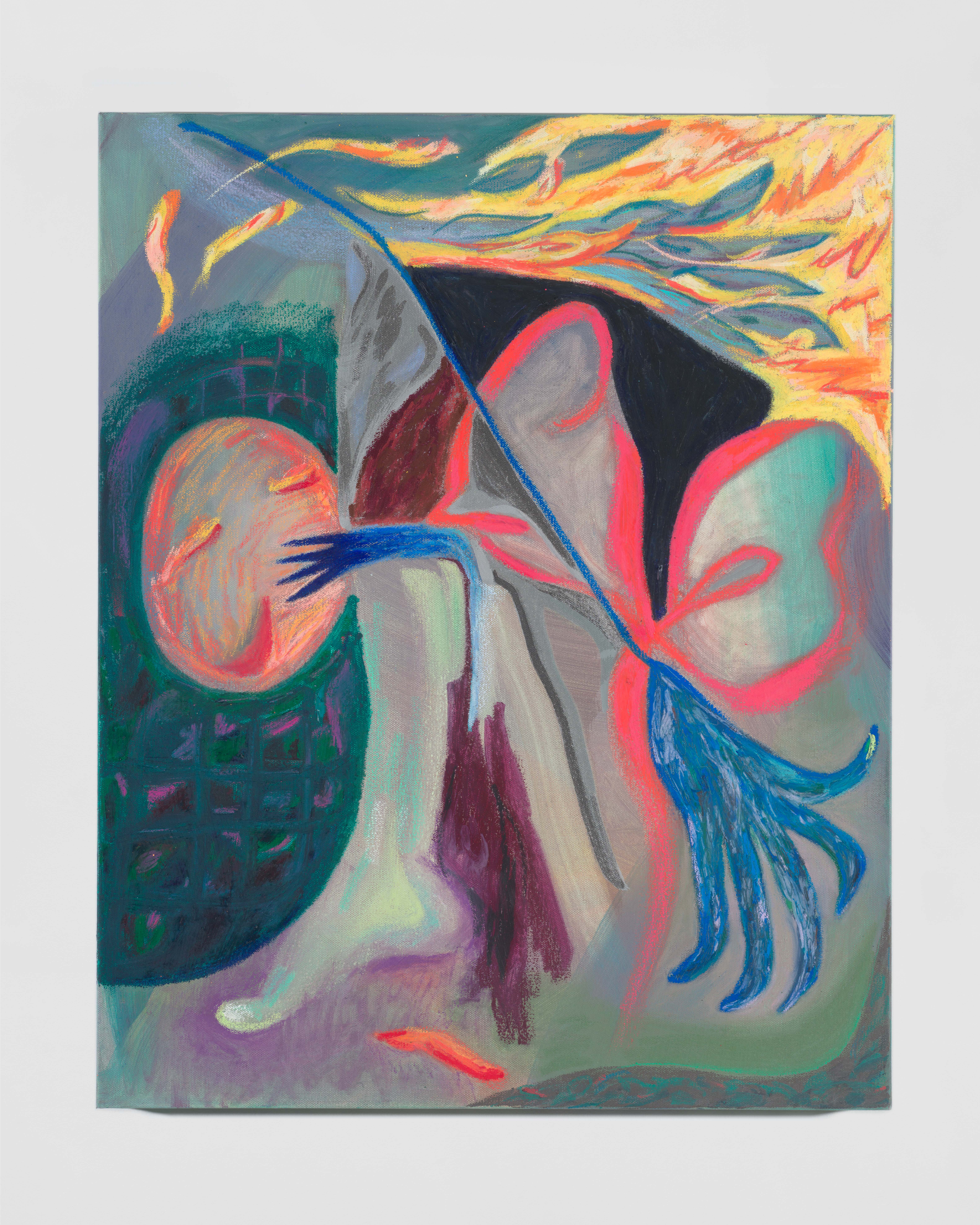
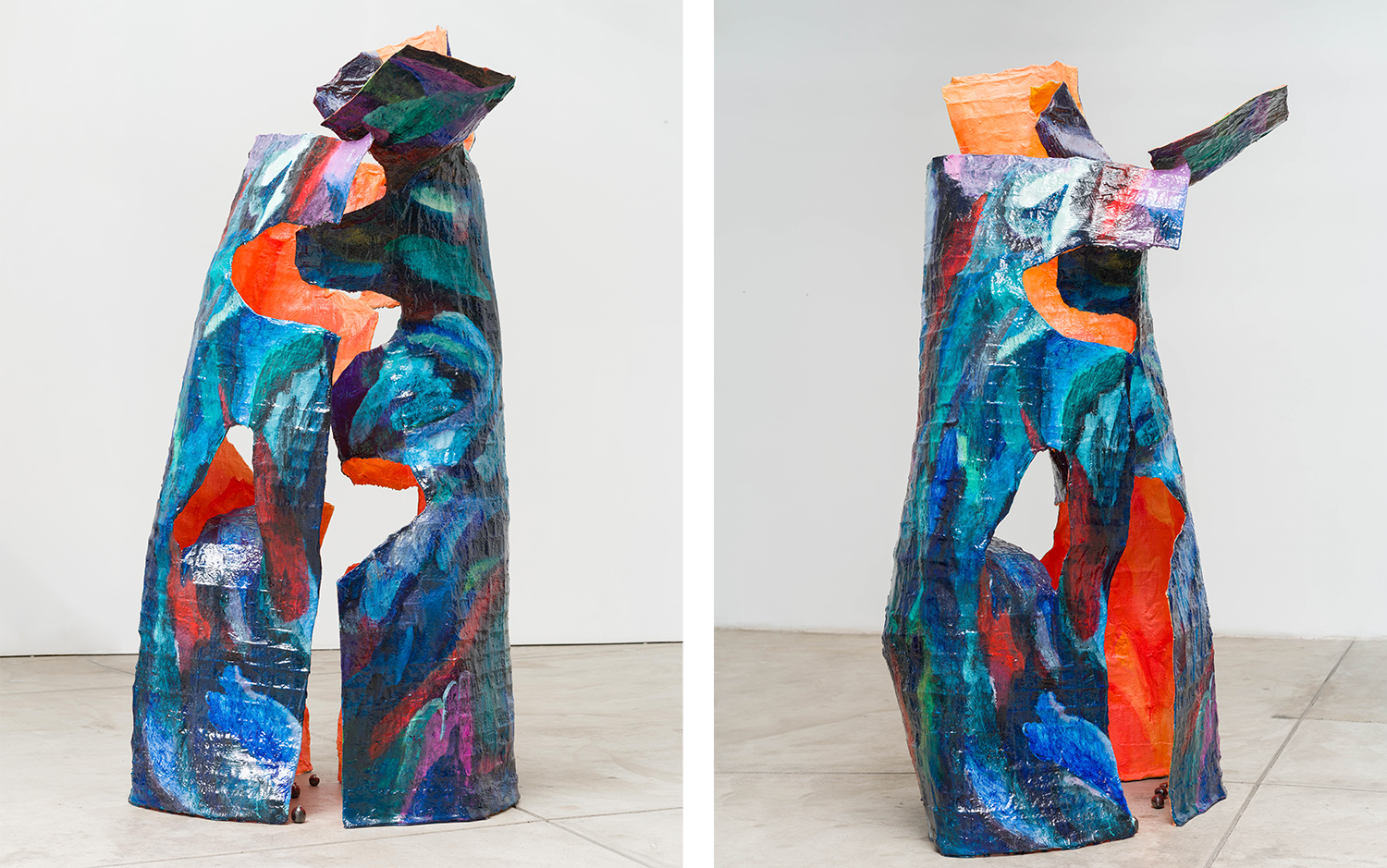
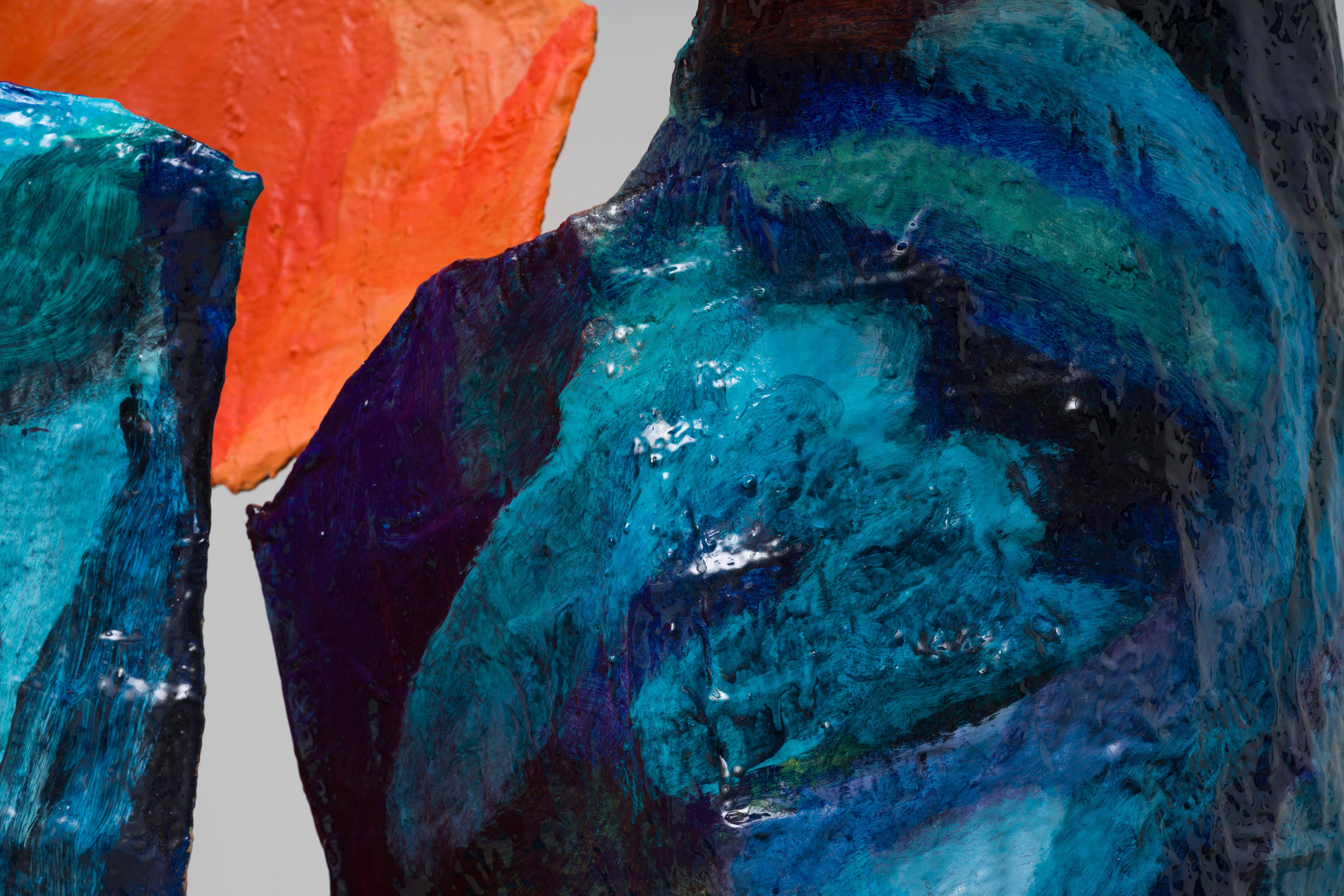
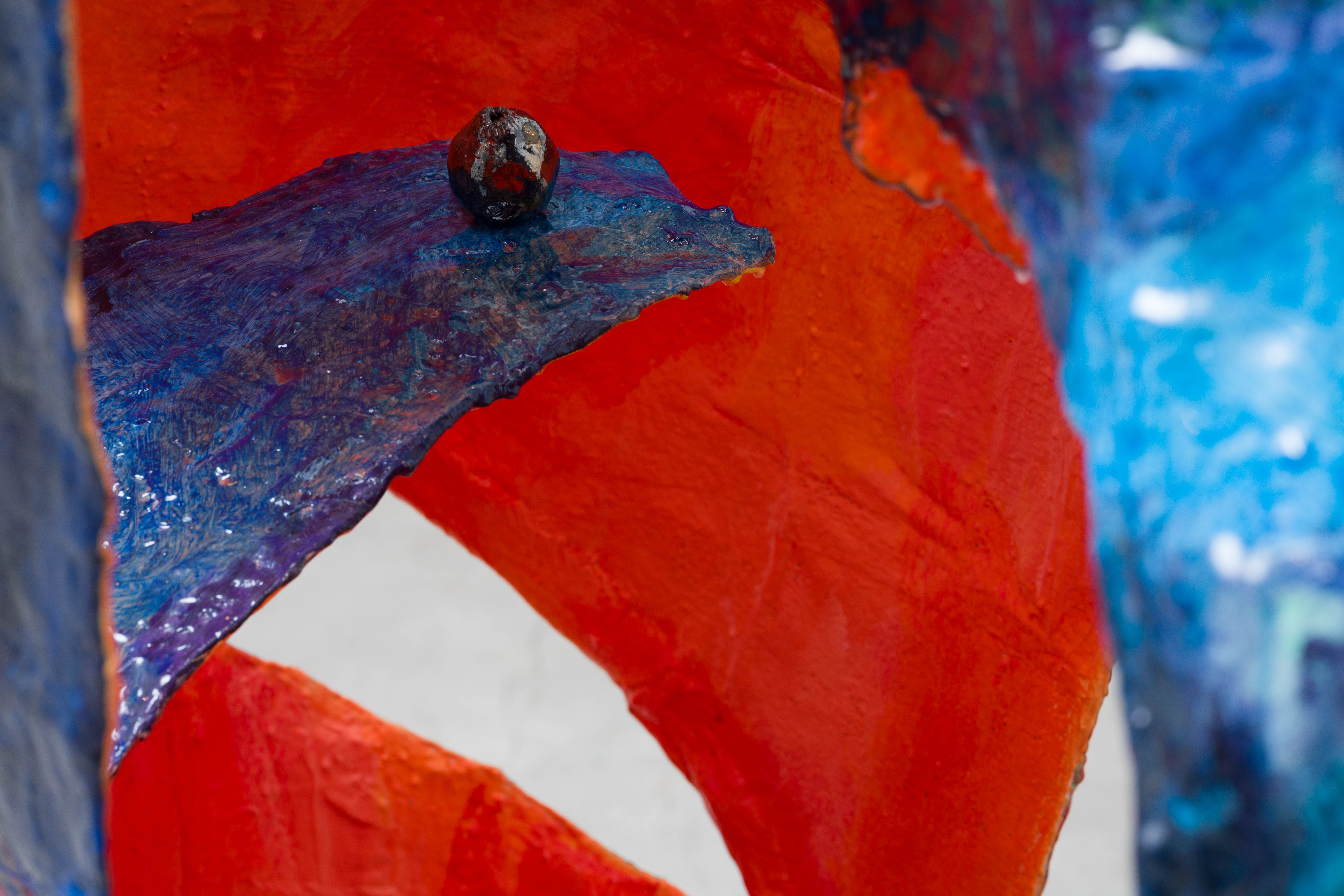

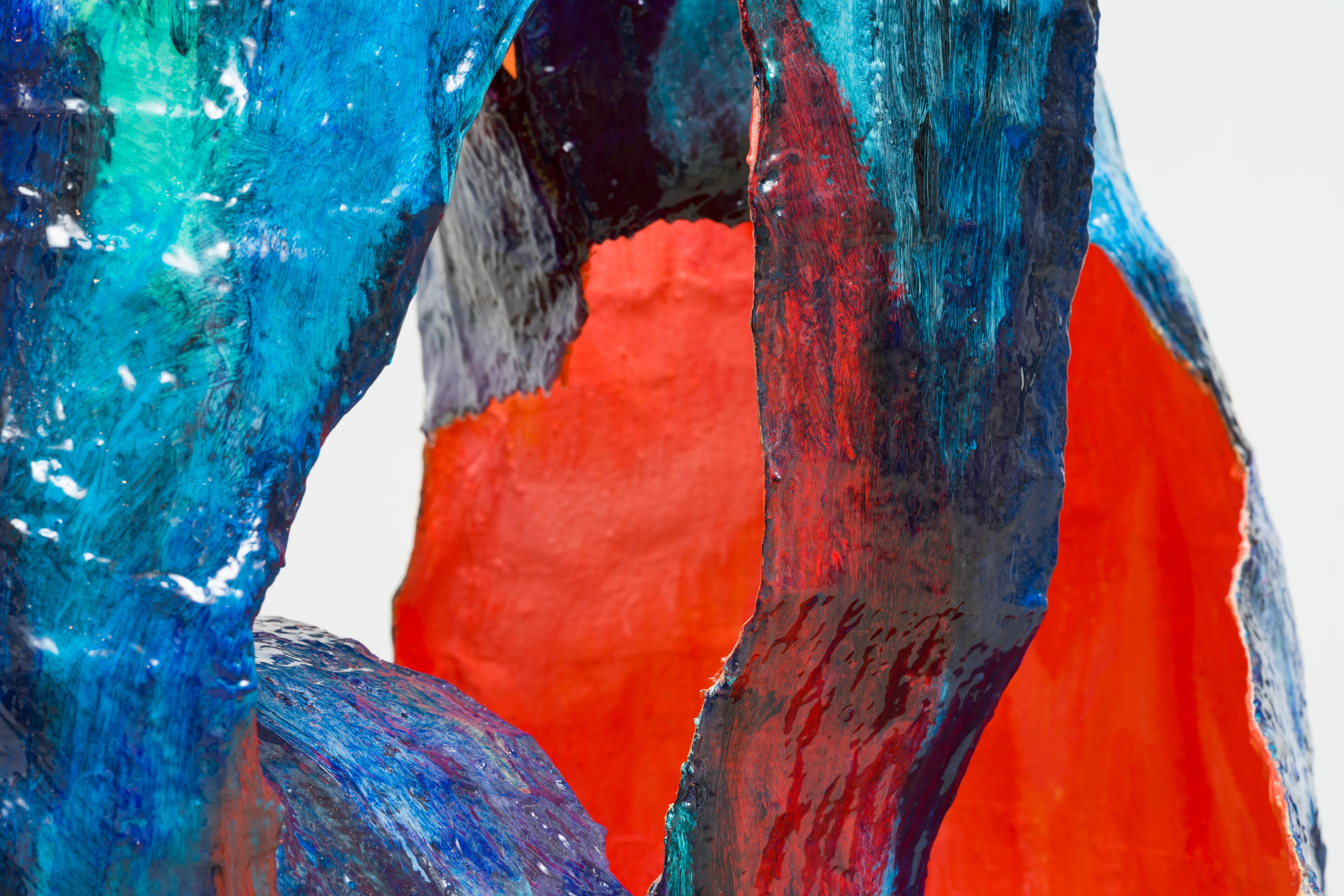

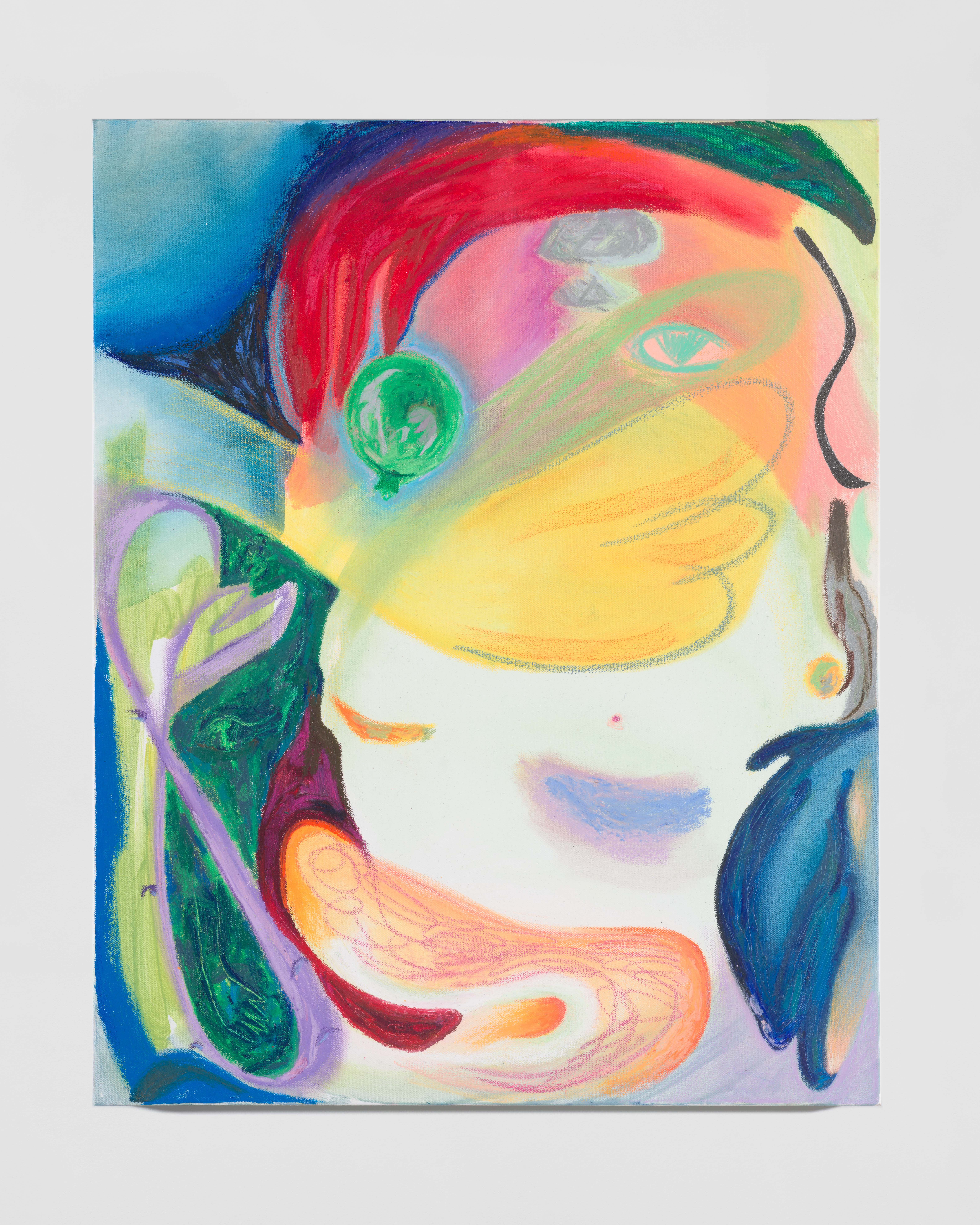
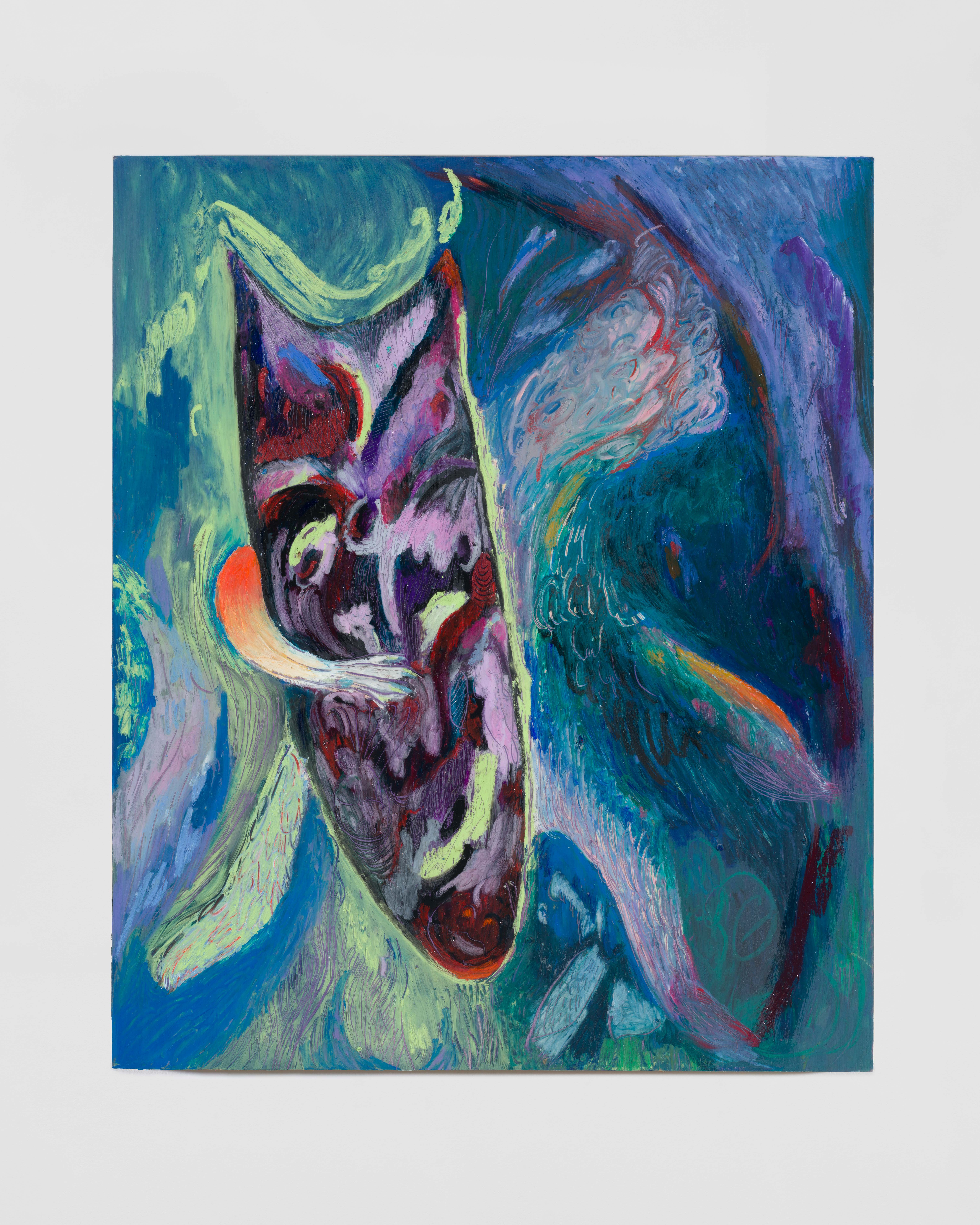
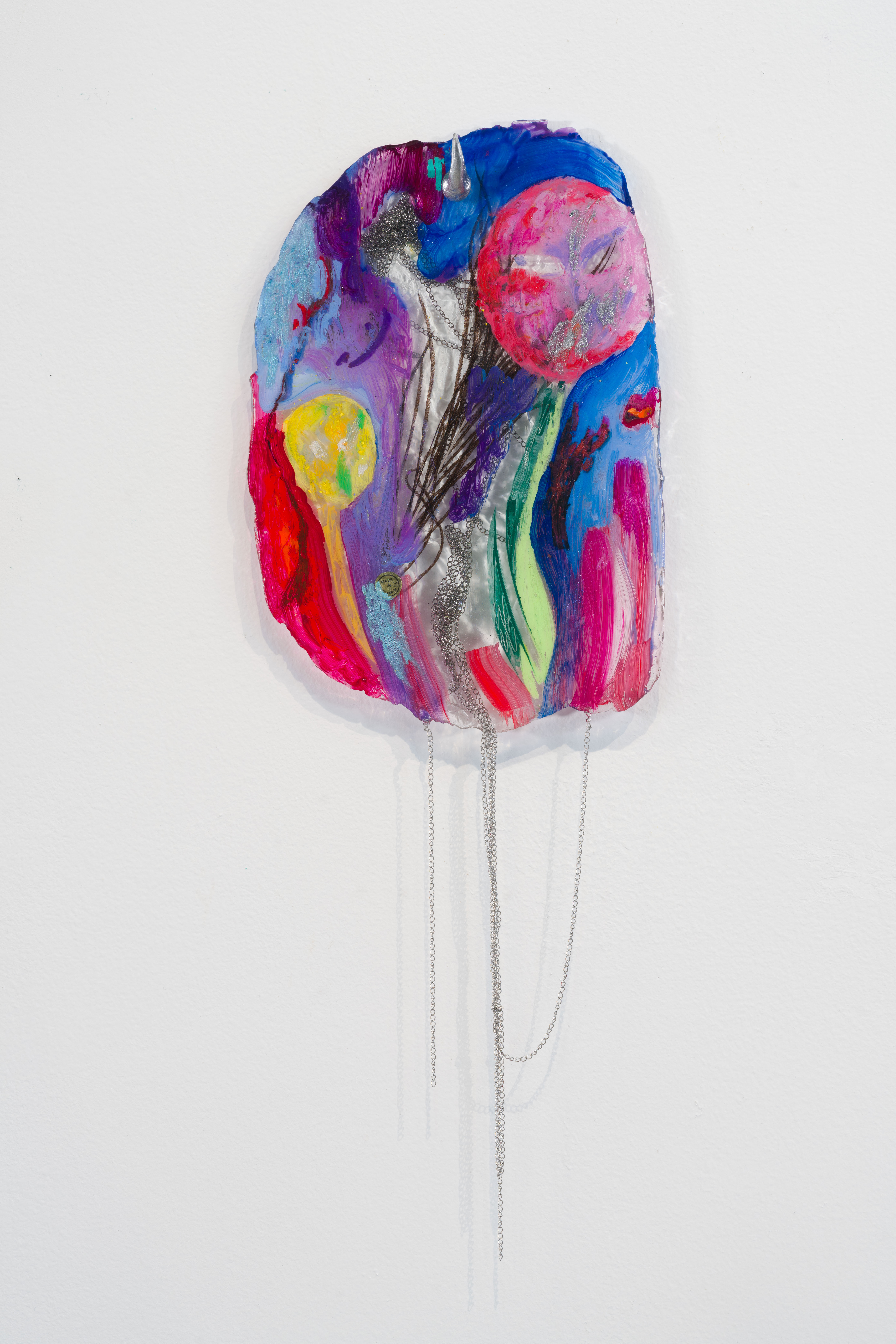
Smoking in the Garden at Phase Gallery, Los Angeles
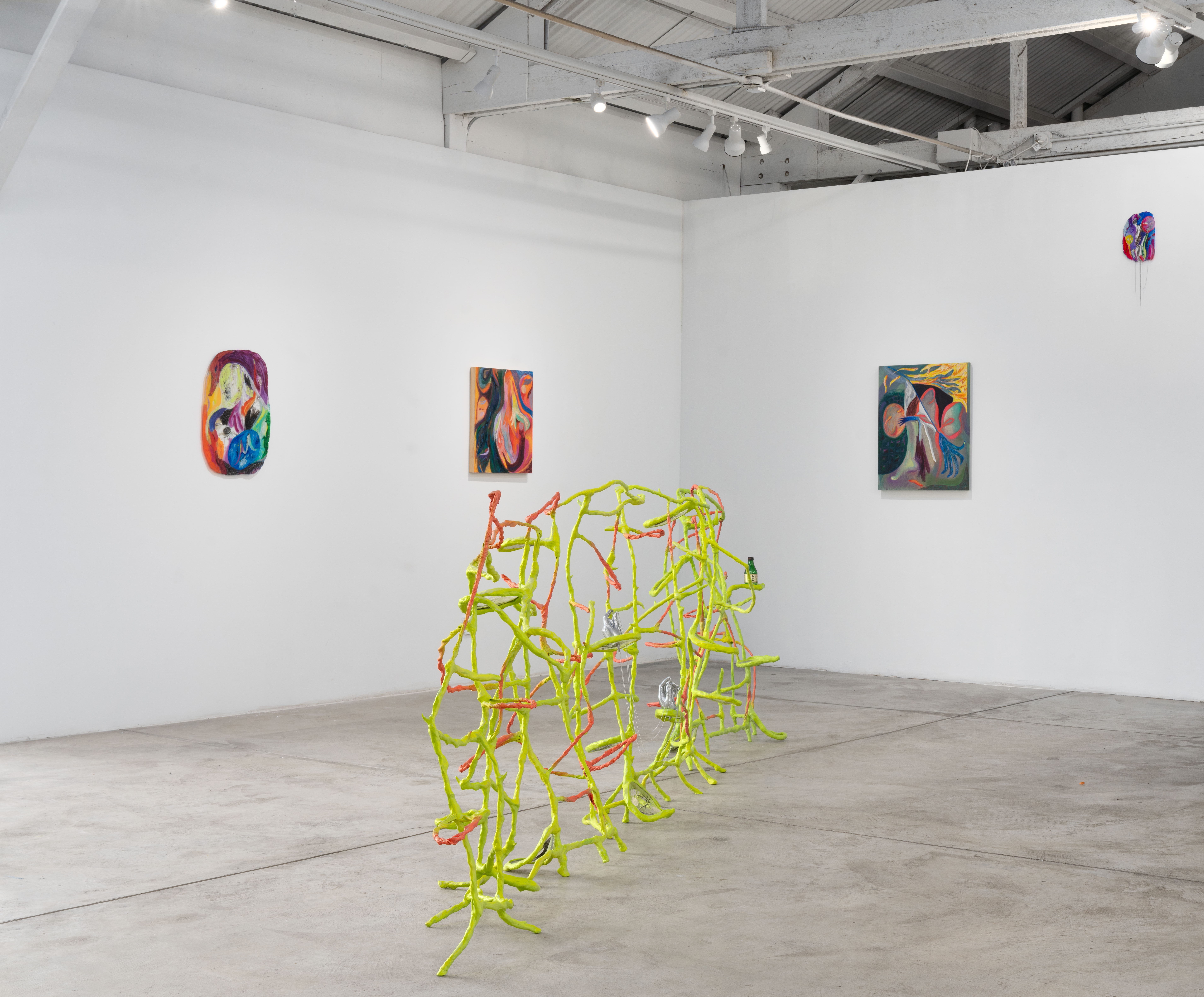
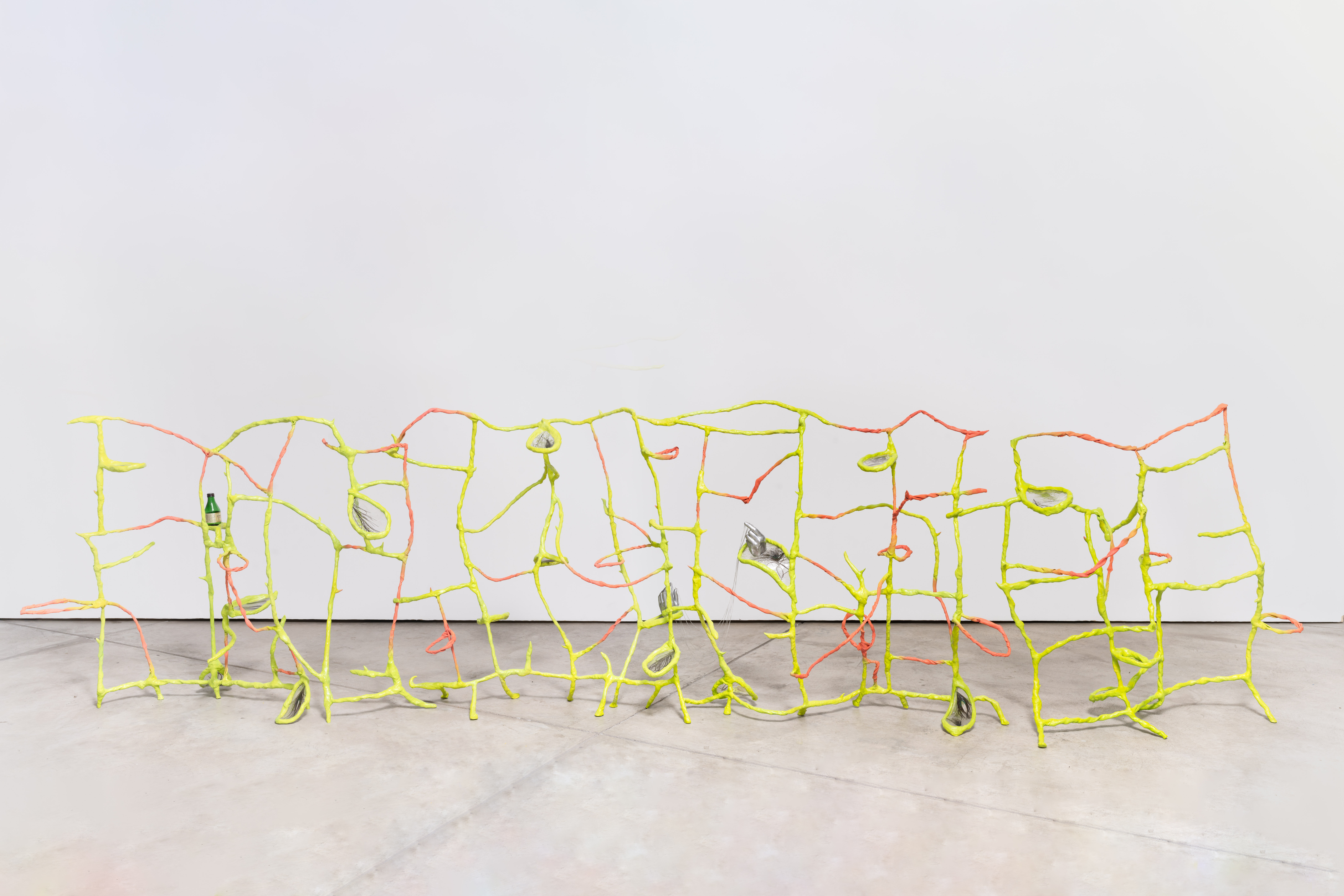
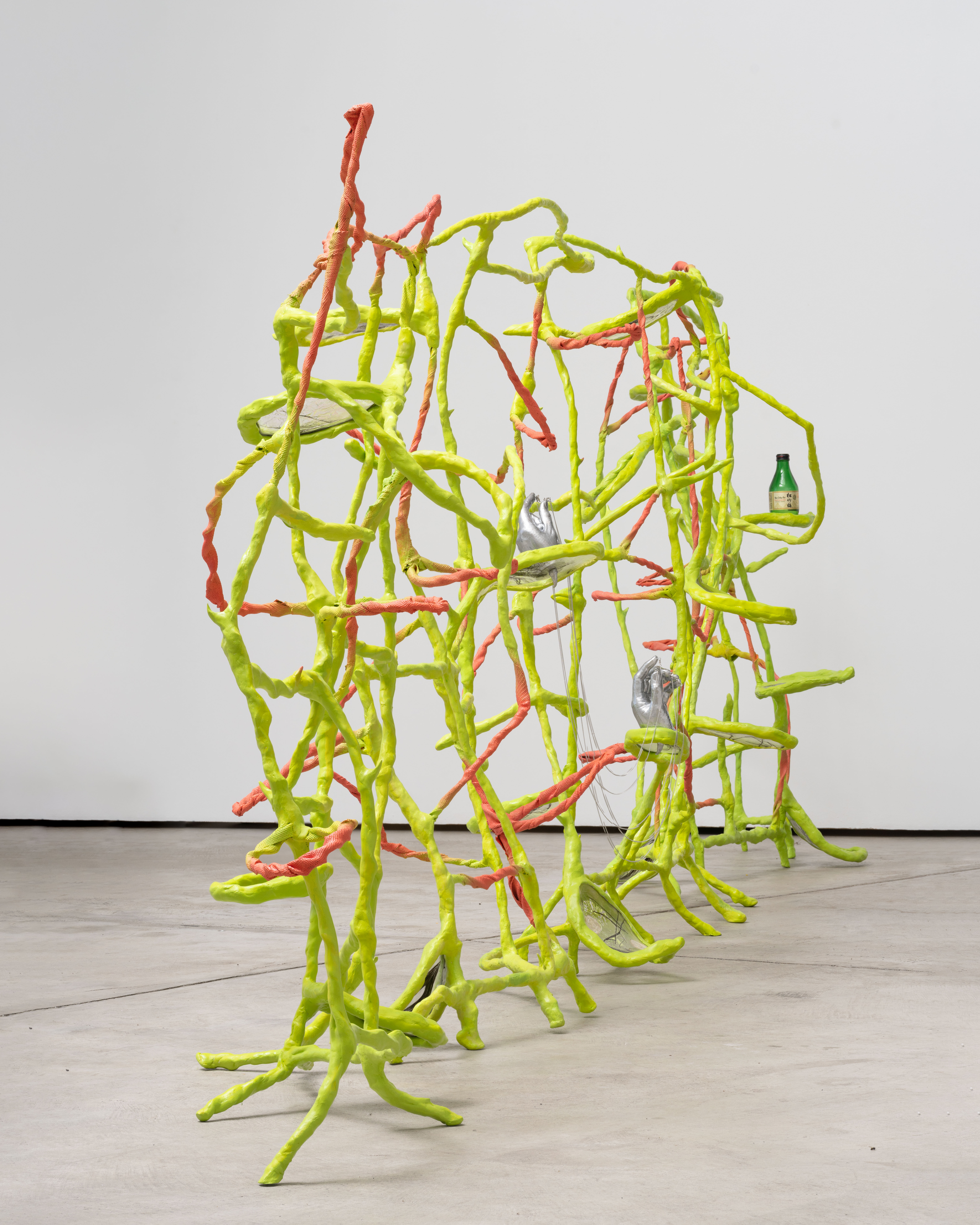
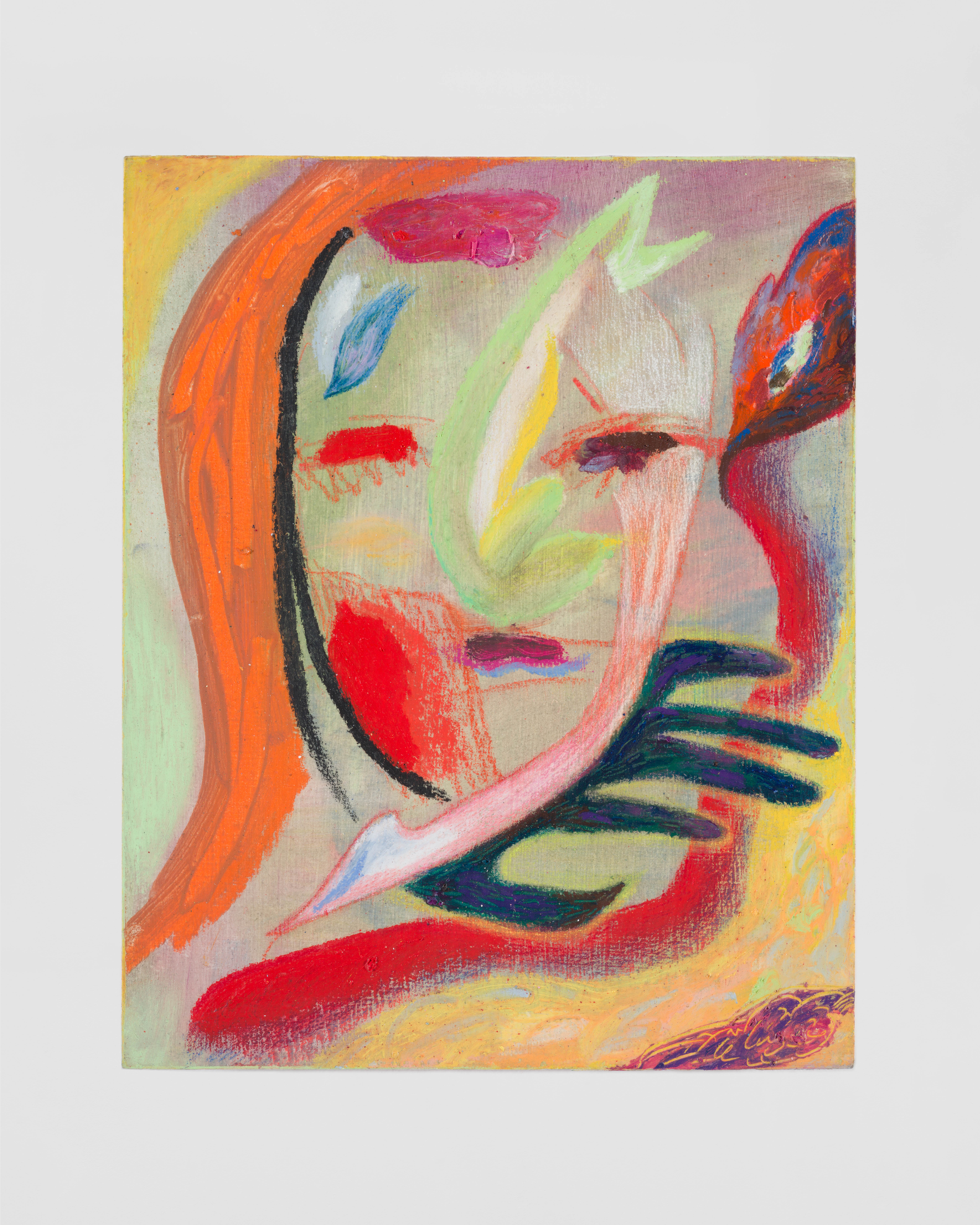
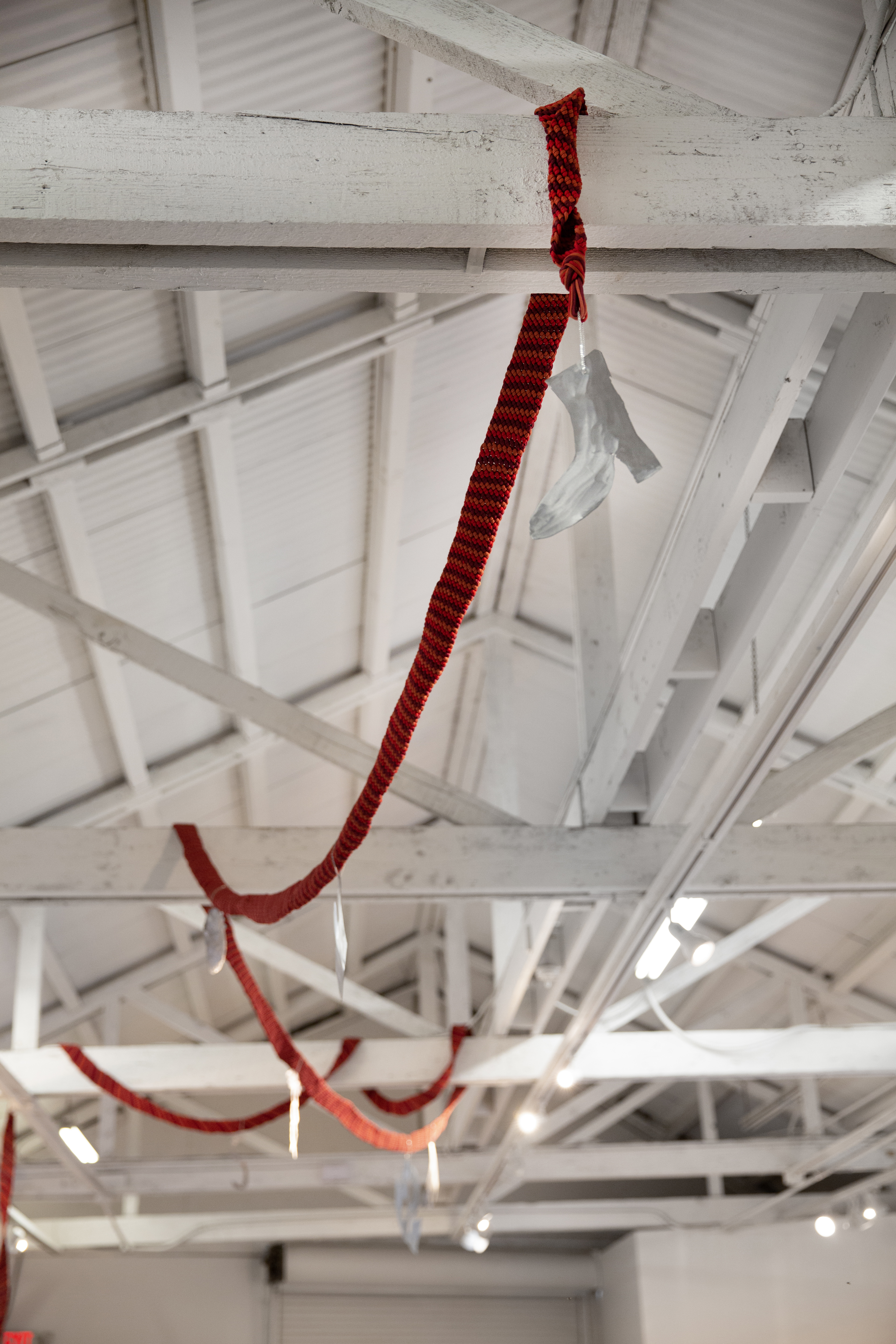
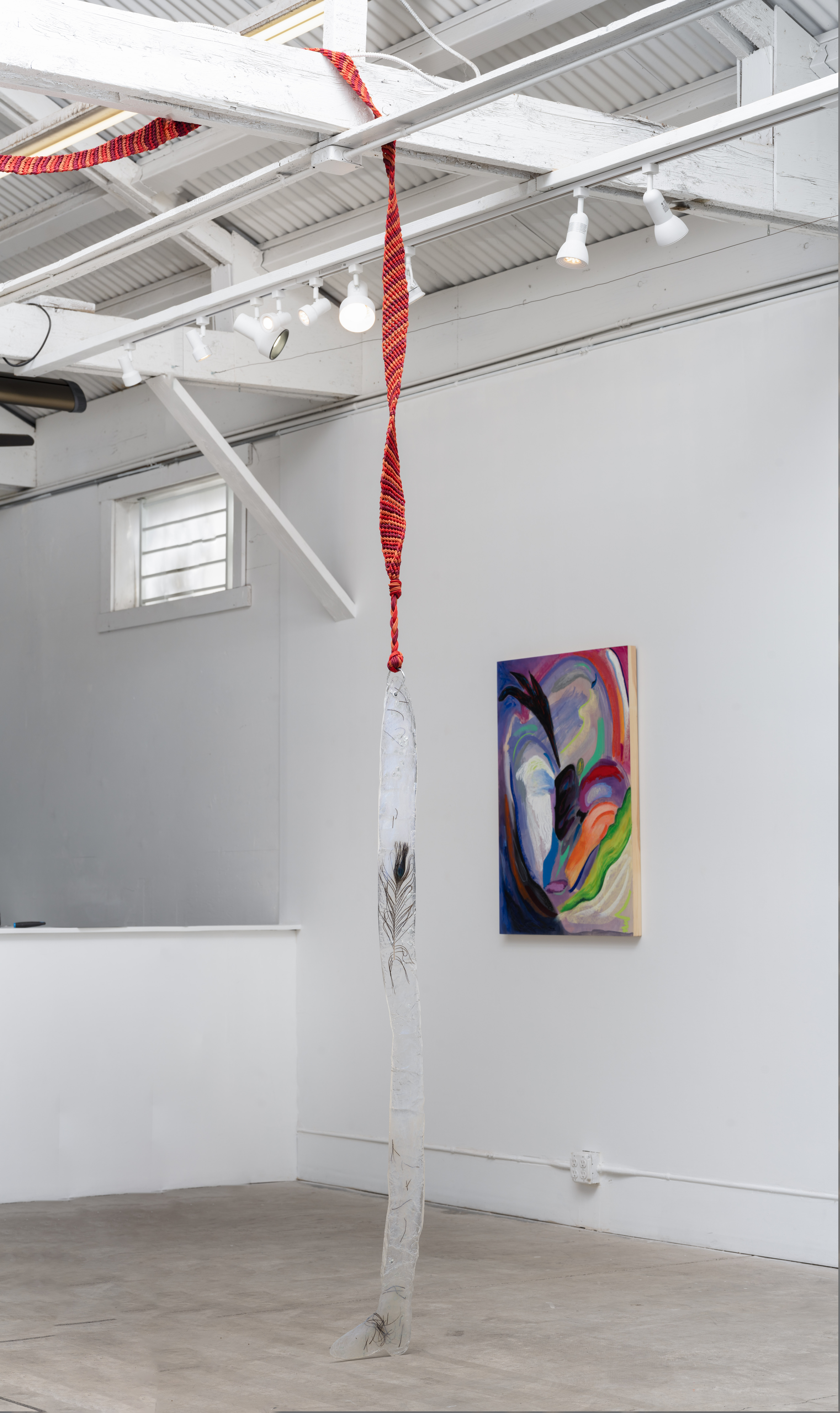
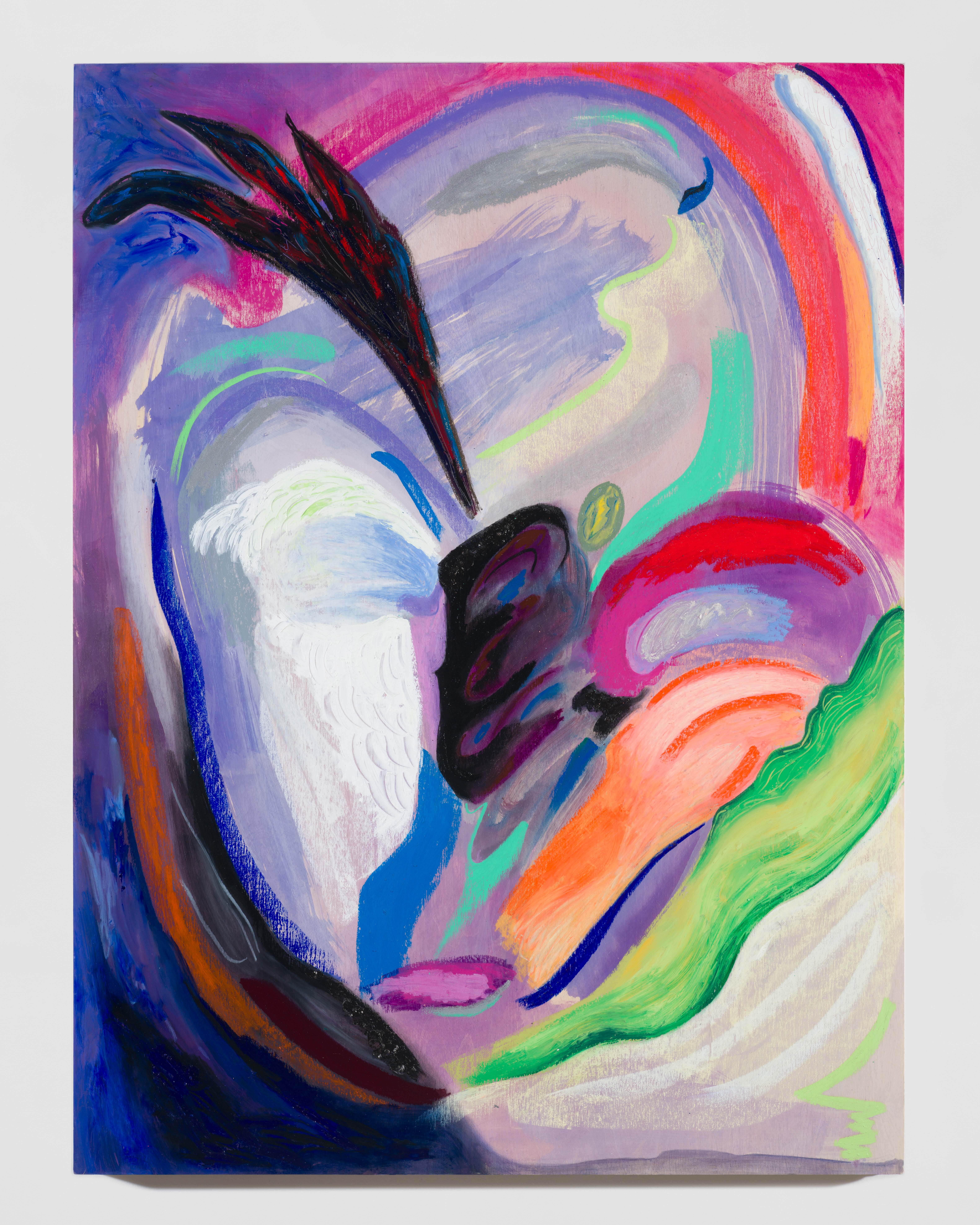
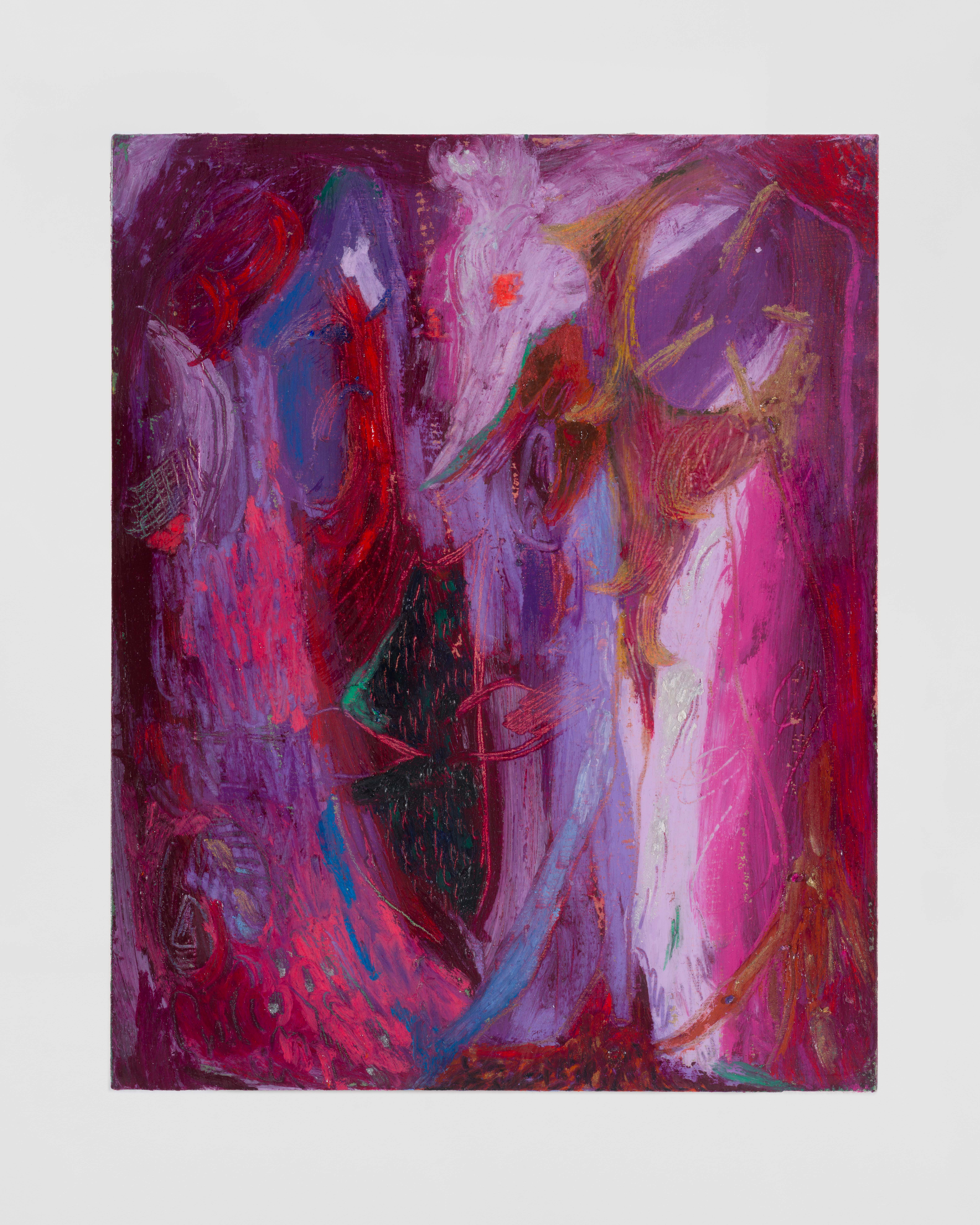
Smoking in the Garden explores folklore from stories passed down through Kim’s mother, investigating how an oral narrative can transform trauma into power. These works express how her body and lived experiences digest intimacy while employing memory, in all of its slipperiness, to explore interpersonal power dynamics. Using the trace of history as a key element in her work, Kim's material practice combines sculpture, drawing, and painting to investigate residual tensions built up to the present. This latest body of work is a form of sincere and sentimental inscription, describing the love entwined in a mother-daughter relationship and the postcolonial identity in all its cryptic layers.
Love is traditionally something that must be upkept, where stains can both hide and reveal what is lacking in a relationship. From the repeated performance of this oral history, meaning is brought forth from the realm of the imaginary through material play. Kim herself acknowledges that each story is interlaced with familial and colonial trauma - an inheritance she is conscious of as the daughter of immigrants. Walking through those shadows as an act of care and remembrance, Kim uses her material process to ritualize these narrative moments into a healing practice. To stand with her shadow self and the shadows that have come before her time, Kim gives power to the absent: what isn't visible, what may be powerless, and what cannot be easily defined.
Simulating the oral narrative recited by her mother, Kim uses repeated visuals that shift in scale and move through the planes of a surface. Forms from this series collapse in certain areas and expand in others, functioning both as supporting tissues and objects that dominate space. Punctures on surfaces disintegrate the visible membrane between here and there. Much like recalling the past, the textures of the surface are gooey, thick, layered, slimy, and agitated. The work contends with history outside the conventions of a linear timeline. Color becomes a connotative device to evoke complicated moments in a relationship, like the operation of warmth and intensity on one side and rejection or harm on the other.
The show takes its title from Kim's middle name Fumar, inherited from her mother, which translates from Spanish to English to smoke. Its amorphous state of being is the product of some material cannibalization into a gas – in most cultures, it can purify or contaminate bodies. It is a verb with affect, agency, and change, all inherent in its meaning. In Smoking in the Garden, Kim presents a world arrested between fiction and history, here and there, self and other.
Written by Liz Stringer is an artist and writer living in Los Angeles
Additional accompanying Texts: Reflections on the Ashtray by Lawrence Chit and Letter to Kim Garcia from Liz Stringer
solo exhibition | photo documentation by Yubo Dong ofstudio photography
(Right-click open in new tab to see Hi-Res images)
Smoking in the Garden explores folklore from stories passed down through Kim’s mother, investigating how an oral narrative can transform trauma into power. These works express how her body and lived experiences digest intimacy while employing memory, in all of its slipperiness, to explore interpersonal power dynamics. Using the trace of history as a key element in her work, Kim's material practice combines sculpture, drawing, and painting to investigate residual tensions built up to the present. This latest body of work is a form of sincere and sentimental inscription, describing the love entwined in a mother-daughter relationship and the postcolonial identity in all its cryptic layers.
Love is traditionally something that must be upkept, where stains can both hide and reveal what is lacking in a relationship. From the repeated performance of this oral history, meaning is brought forth from the realm of the imaginary through material play. Kim herself acknowledges that each story is interlaced with familial and colonial trauma - an inheritance she is conscious of as the daughter of immigrants. Walking through those shadows as an act of care and remembrance, Kim uses her material process to ritualize these narrative moments into a healing practice. To stand with her shadow self and the shadows that have come before her time, Kim gives power to the absent: what isn't visible, what may be powerless, and what cannot be easily defined.
Simulating the oral narrative recited by her mother, Kim uses repeated visuals that shift in scale and move through the planes of a surface. Forms from this series collapse in certain areas and expand in others, functioning both as supporting tissues and objects that dominate space. Punctures on surfaces disintegrate the visible membrane between here and there. Much like recalling the past, the textures of the surface are gooey, thick, layered, slimy, and agitated. The work contends with history outside the conventions of a linear timeline. Color becomes a connotative device to evoke complicated moments in a relationship, like the operation of warmth and intensity on one side and rejection or harm on the other.
The show takes its title from Kim's middle name Fumar, inherited from her mother, which translates from Spanish to English to smoke. Its amorphous state of being is the product of some material cannibalization into a gas – in most cultures, it can purify or contaminate bodies. It is a verb with affect, agency, and change, all inherent in its meaning. In Smoking in the Garden, Kim presents a world arrested between fiction and history, here and there, self and other.
Written by Liz Stringer is an artist and writer living in Los Angeles
Additional accompanying Texts: Reflections on the Ashtray by Lawrence Chit and Letter to Kim Garcia from Liz Stringer
solo exhibition | photo documentation by Yubo Dong ofstudio photography
(Right-click open in new tab to see Hi-Res images)
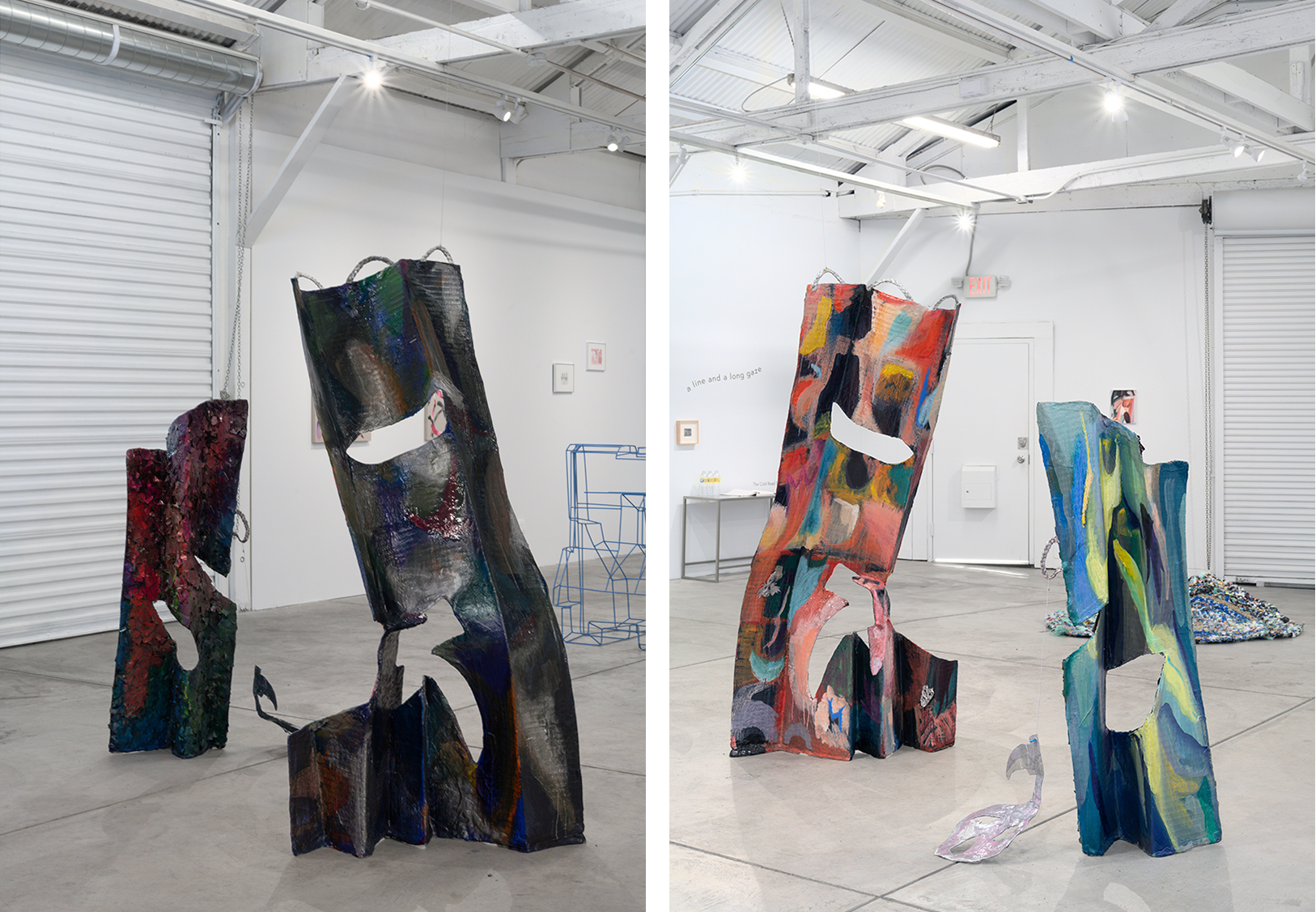
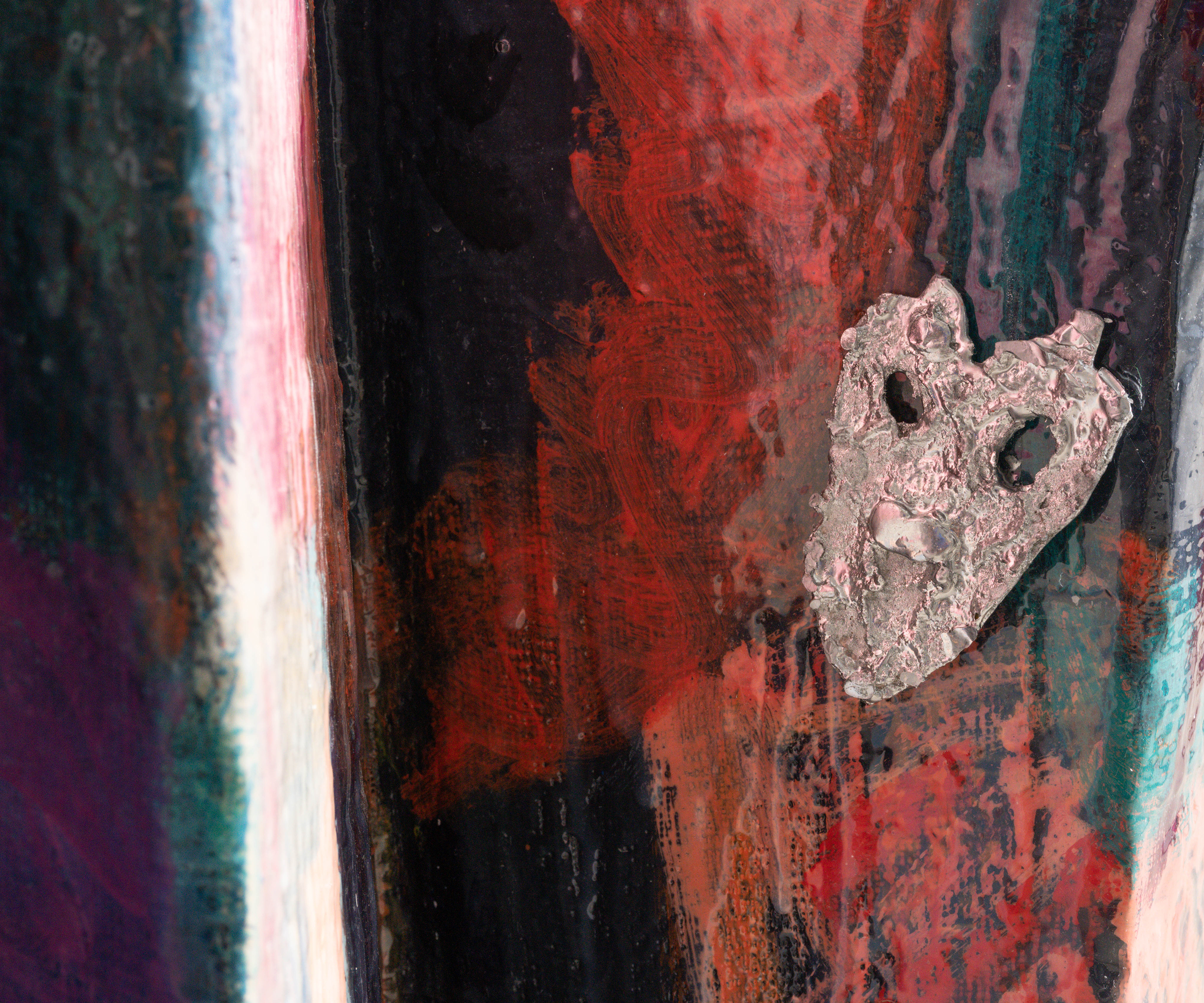

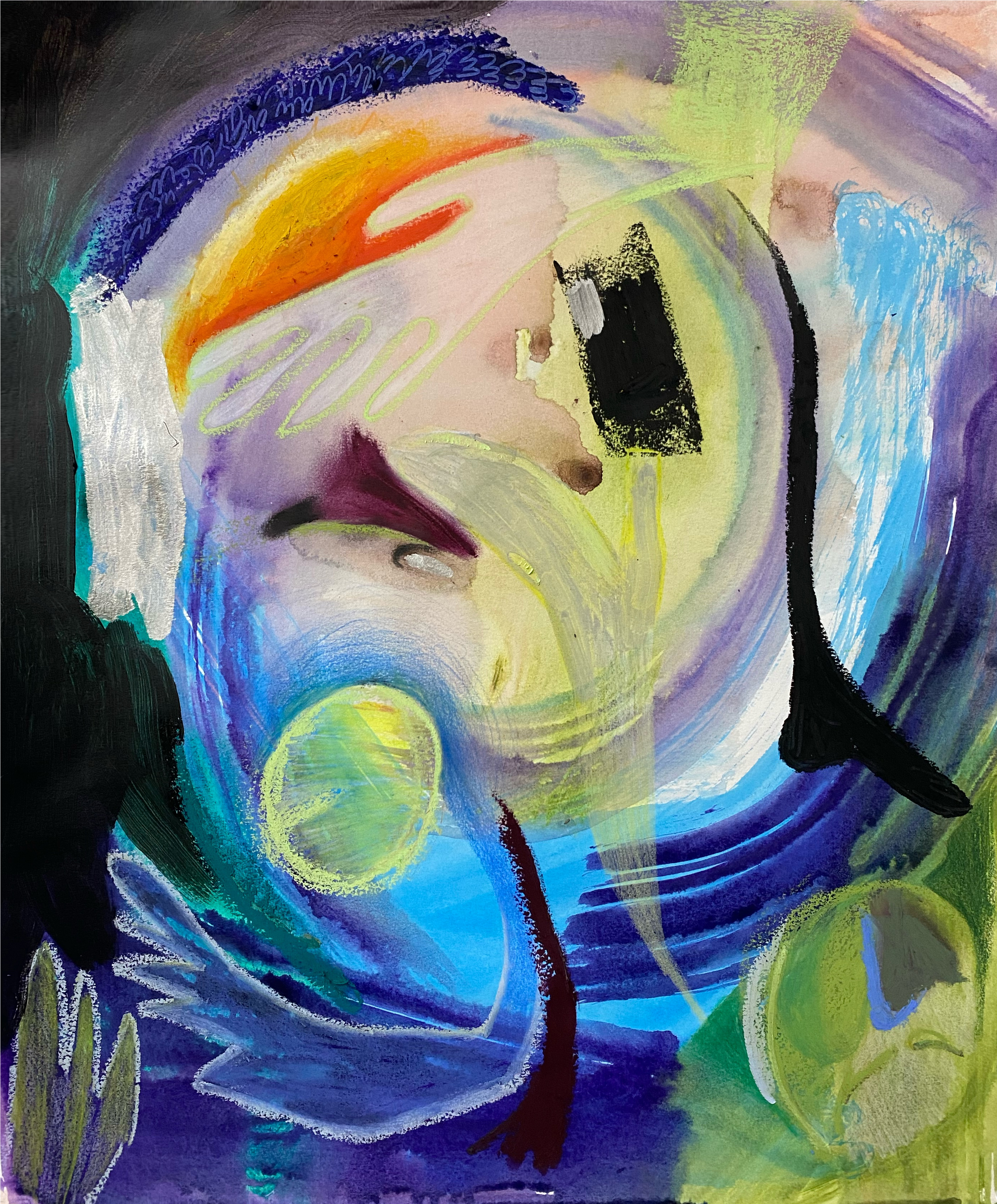
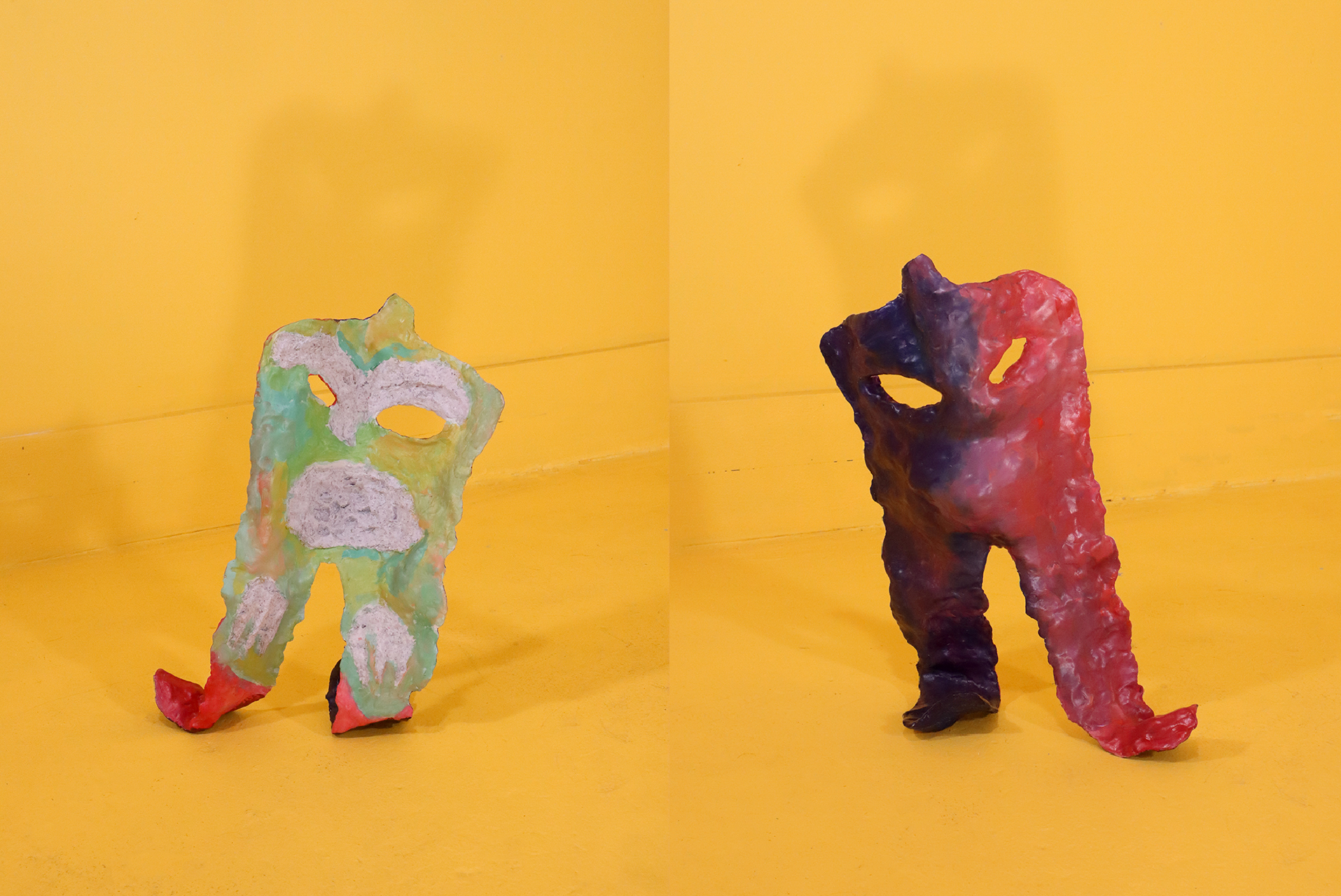
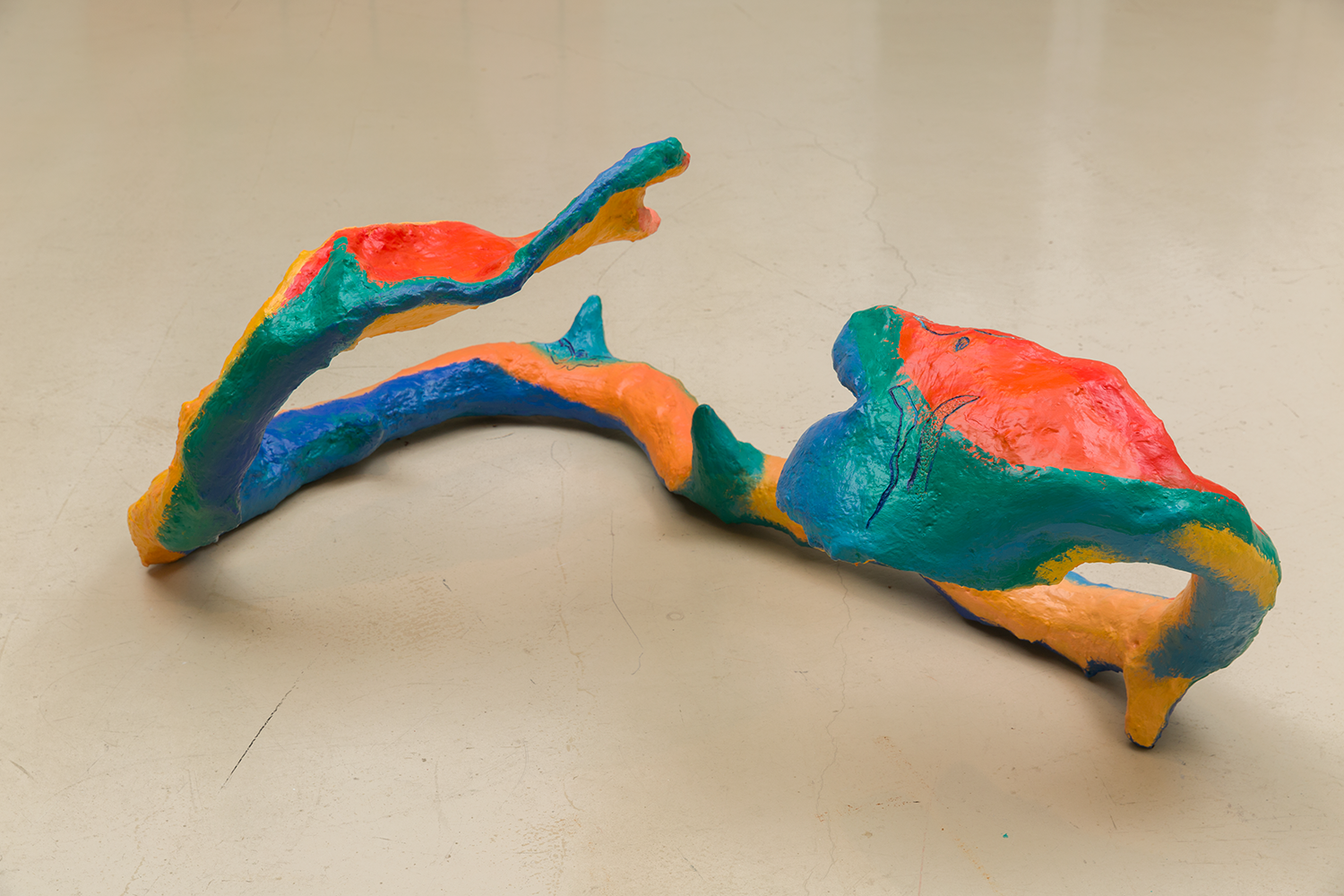
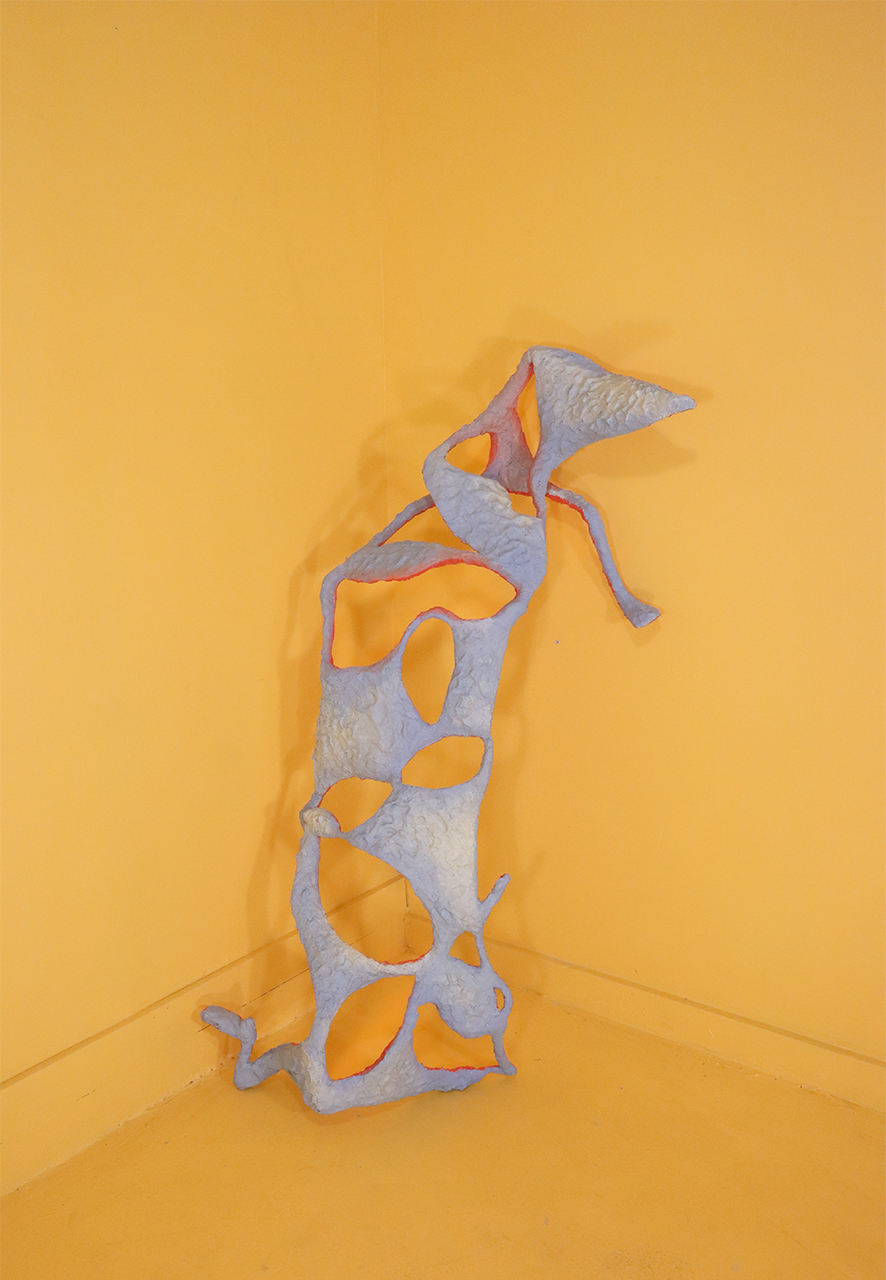
she has her mother’s eyes
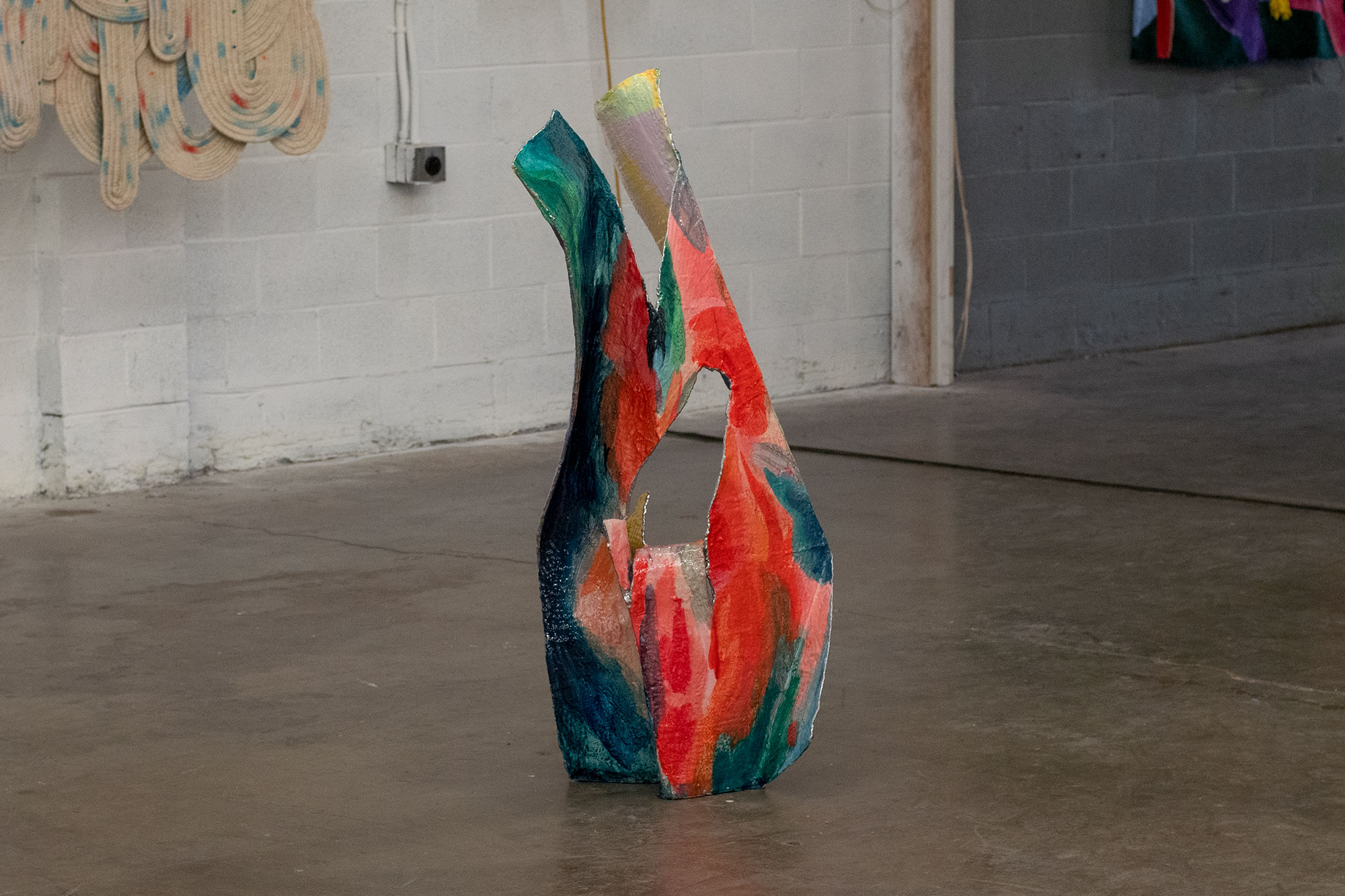
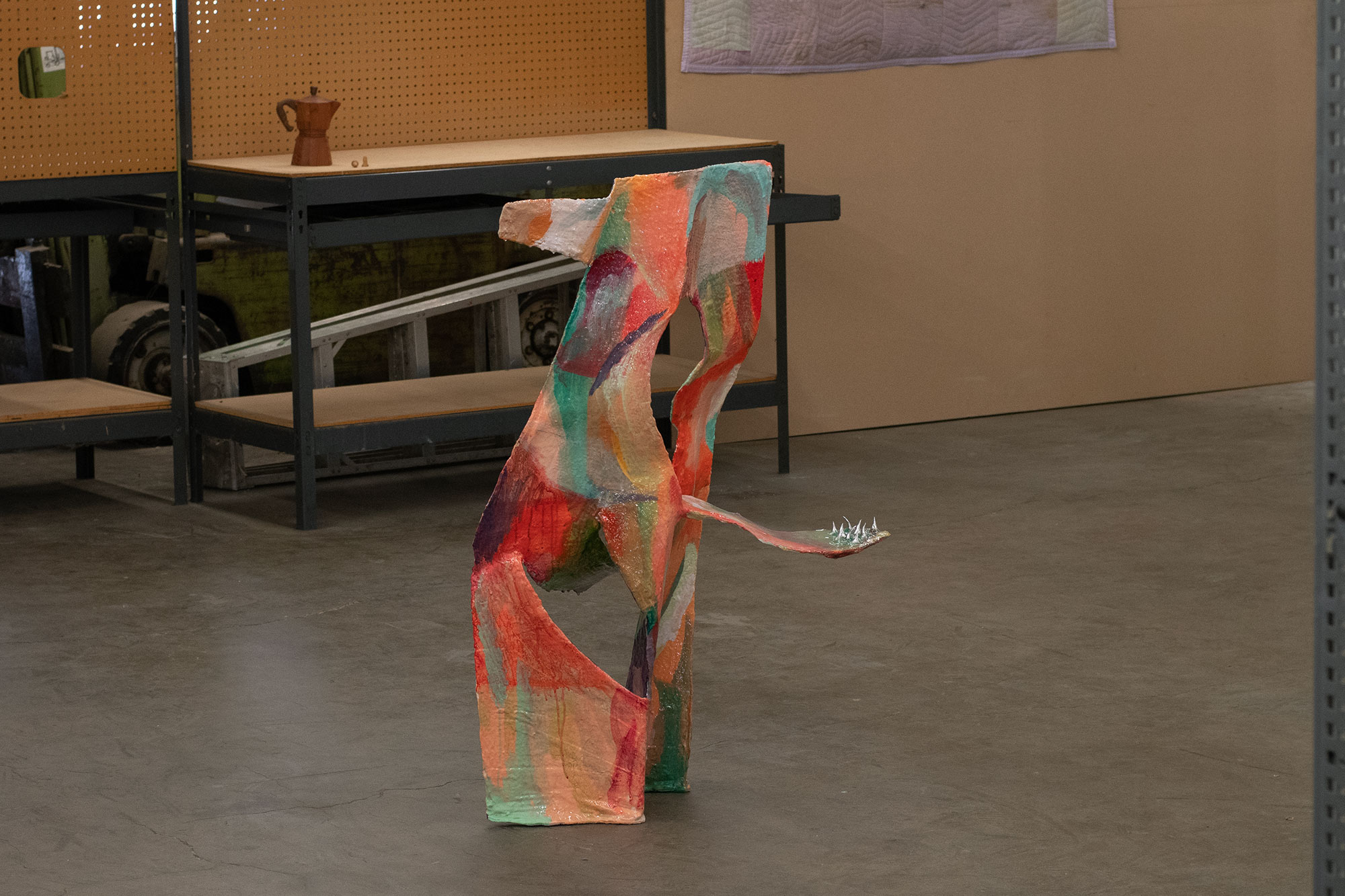
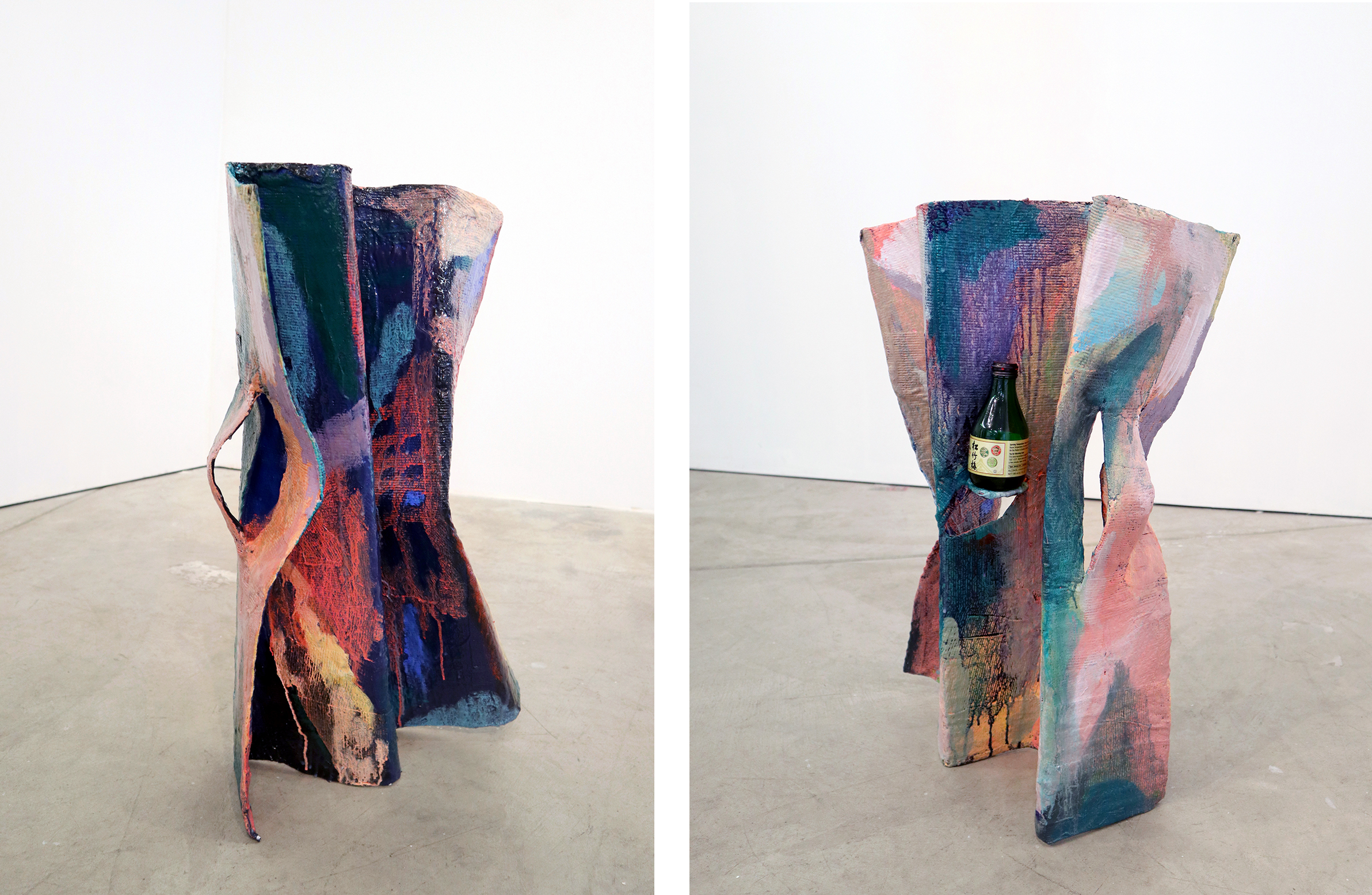
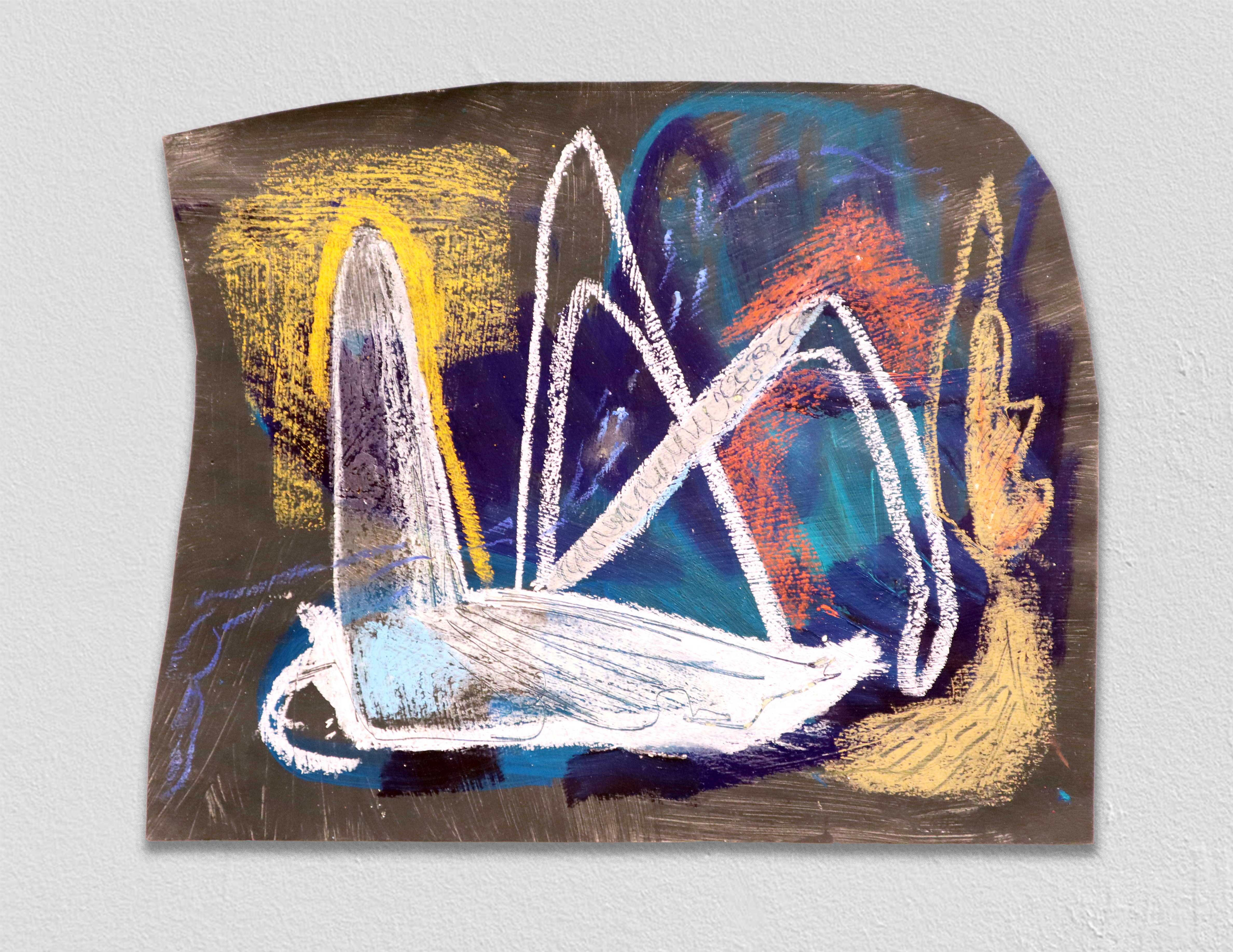
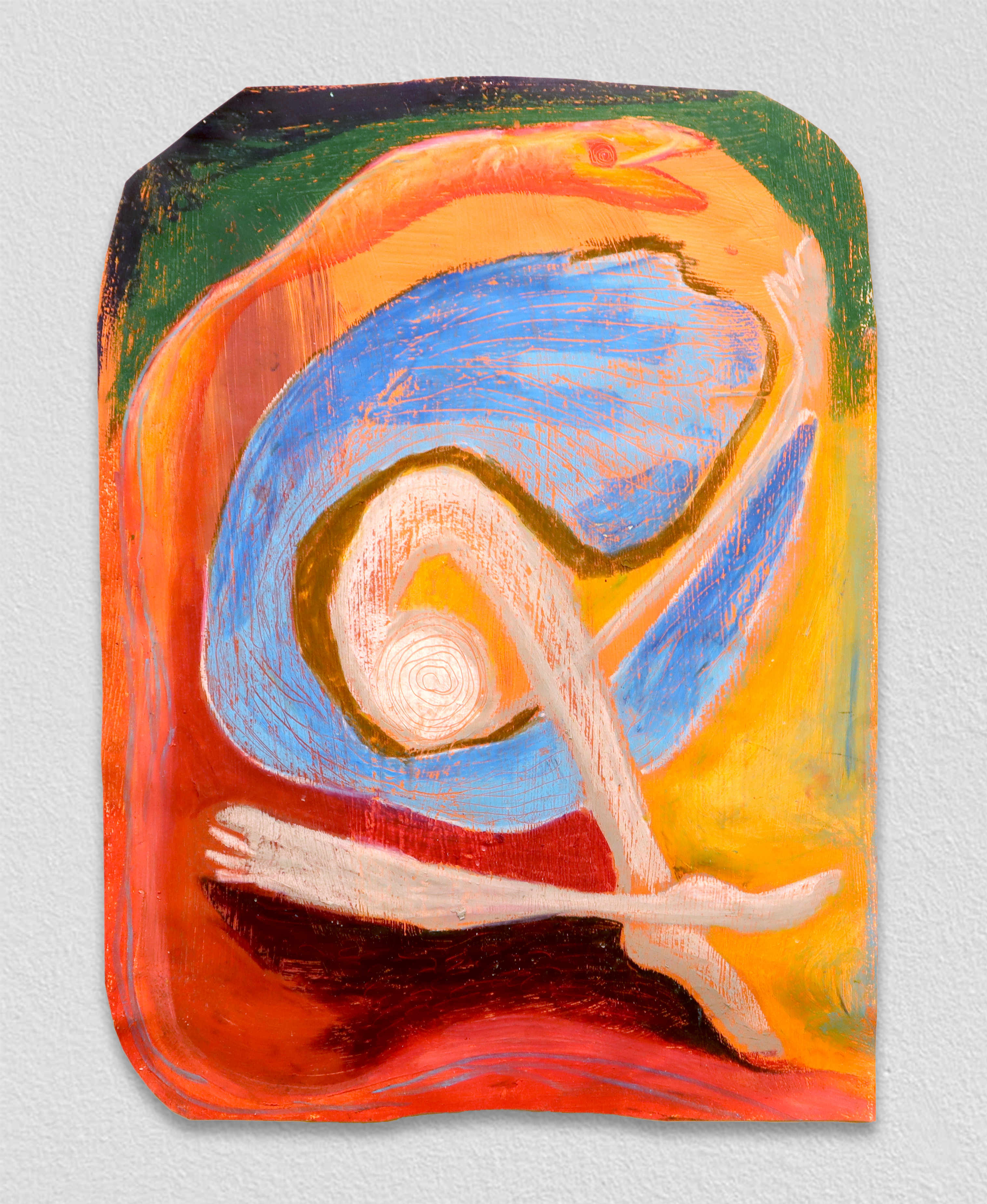
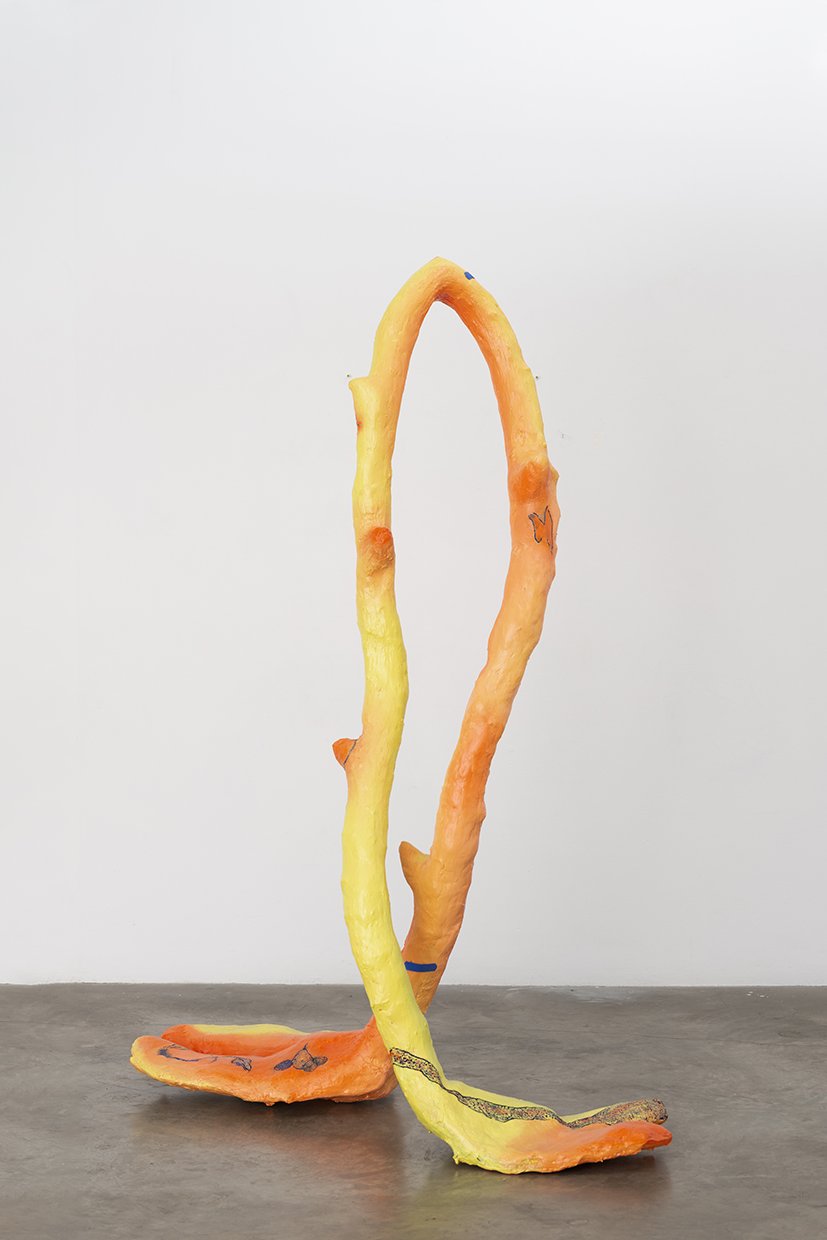
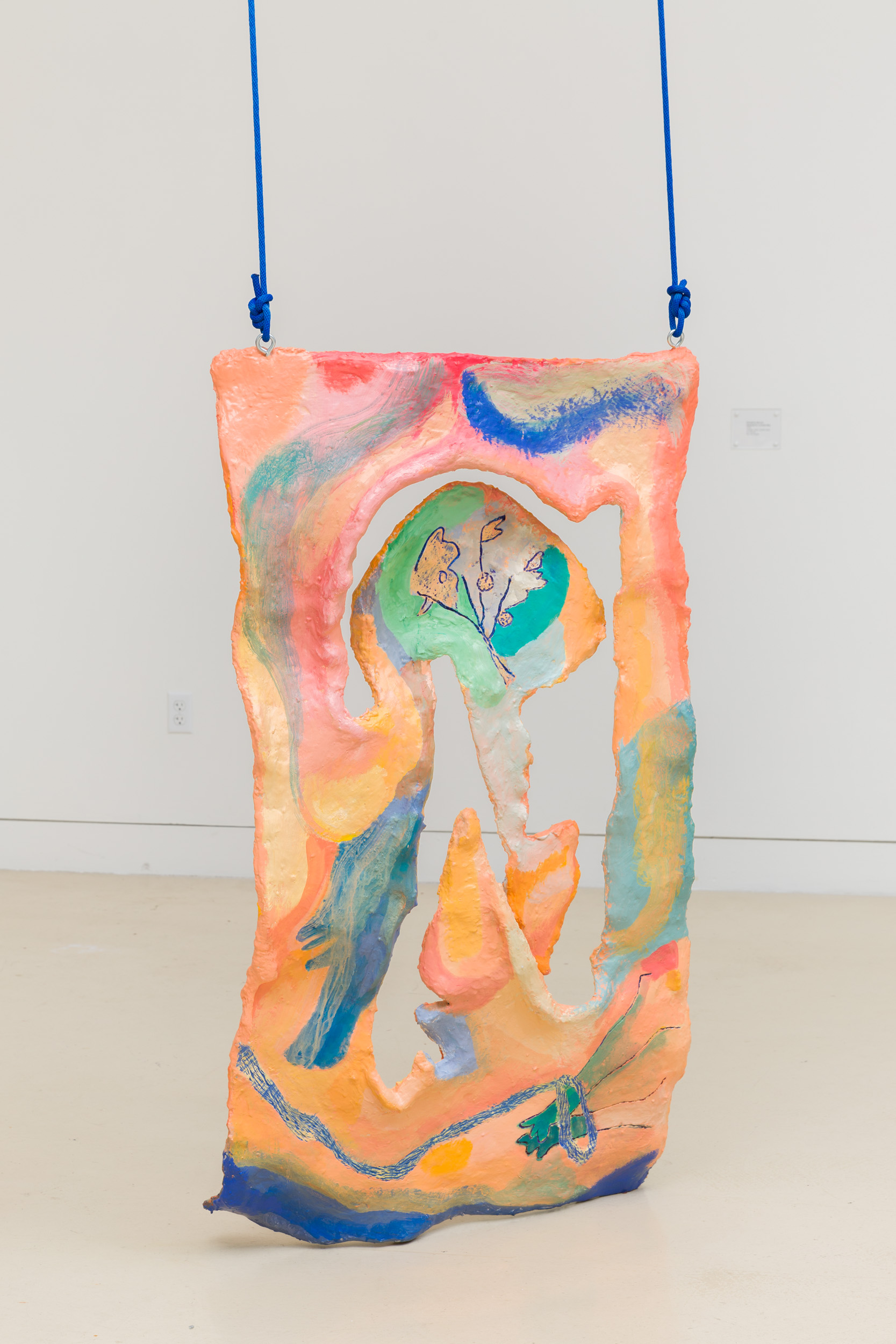
In 2019, I began a series exploring folklore passed down by my mother, delving into its significance as a fantastical origin tale of her family history. This creative endeavor also served as a cathartic process, addressing trauma spanning our mother-daughter bond, familial ties, and the history of the Philippines.
Spain's publication of the "Catálogo alfabético de apellidos" in 1849 established a system for selecting last names. Indigenous Filipinos chose surnames alphabetically, yet I discovered no mention of Fumar, my mother's maiden name, within the document. Although it likely deviated slightly, it intrigued me due to its translation as "to smoke.”
The interplay between smoke and the surname mirrors my mother's ever-evolving narrative. The name itself encompasses the entire story, reflecting its transformations, adaptations, and reconstructions to convey strength while still bearing the imprints of trauma. This ongoing series explores intergenerational trauma and the complex dynamics of power and wounds.
This series led up to a final solo exhibition at Phase Gallery Los Angeles on May 13, 2023.
(Right-click open in new tab to see Hi-Res images)
In 2019, I began a series exploring folklore passed down by my mother, delving into its significance as a fantastical origin tale of her family history. This creative endeavor also served as a cathartic process, addressing trauma spanning our mother-daughter bond, familial ties, and the history of the Philippines.
Spain's publication of the "Catálogo alfabético de apellidos" in 1849 established a system for selecting last names. Indigenous Filipinos chose surnames alphabetically, yet I discovered no mention of Fumar, my mother's maiden name, within the document. Although it likely deviated slightly, it intrigued me due to its translation as "to smoke.”
The interplay between smoke and the surname mirrors my mother's ever-evolving narrative. The name itself encompasses the entire story, reflecting its transformations, adaptations, and reconstructions to convey strength while still bearing the imprints of trauma. This ongoing series explores intergenerational trauma and the complex dynamics of power and wounds.
This series led up to a final solo exhibition at Phase Gallery Los Angeles on May 13, 2023.
(Right-click open in new tab to see Hi-Res images)
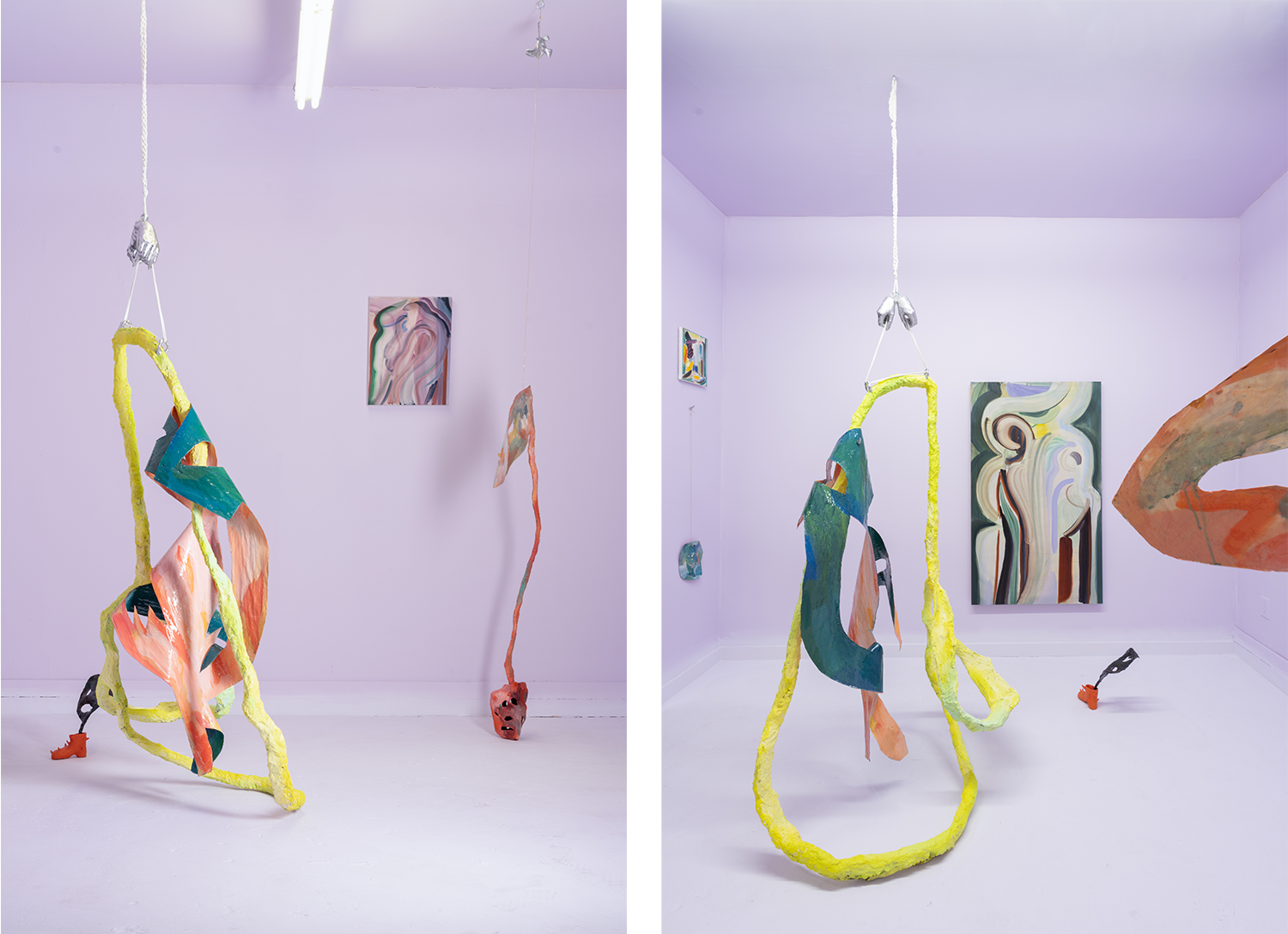
The HIDEBEHIND
Collaborative Exhibition, August 7-20, 2021
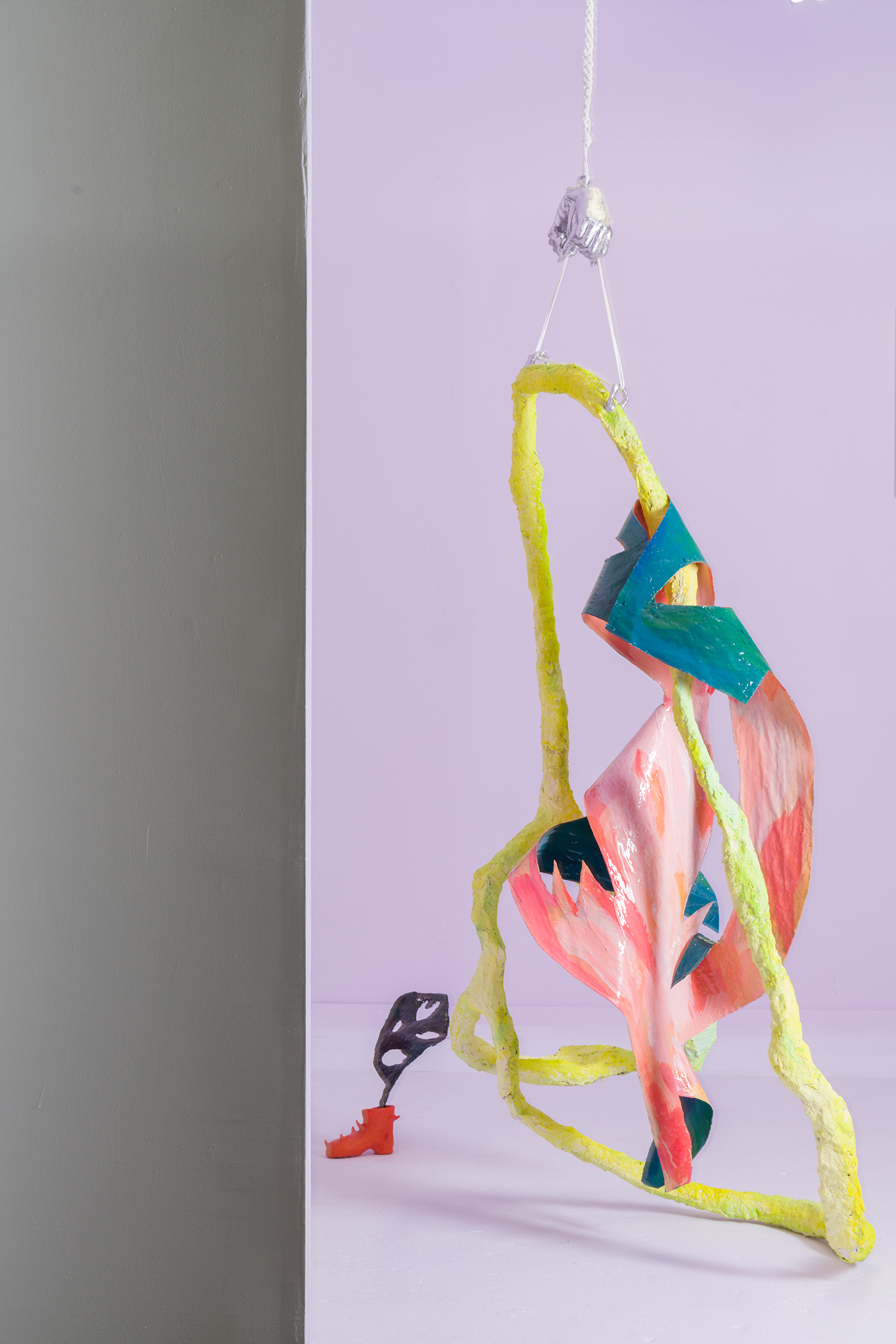
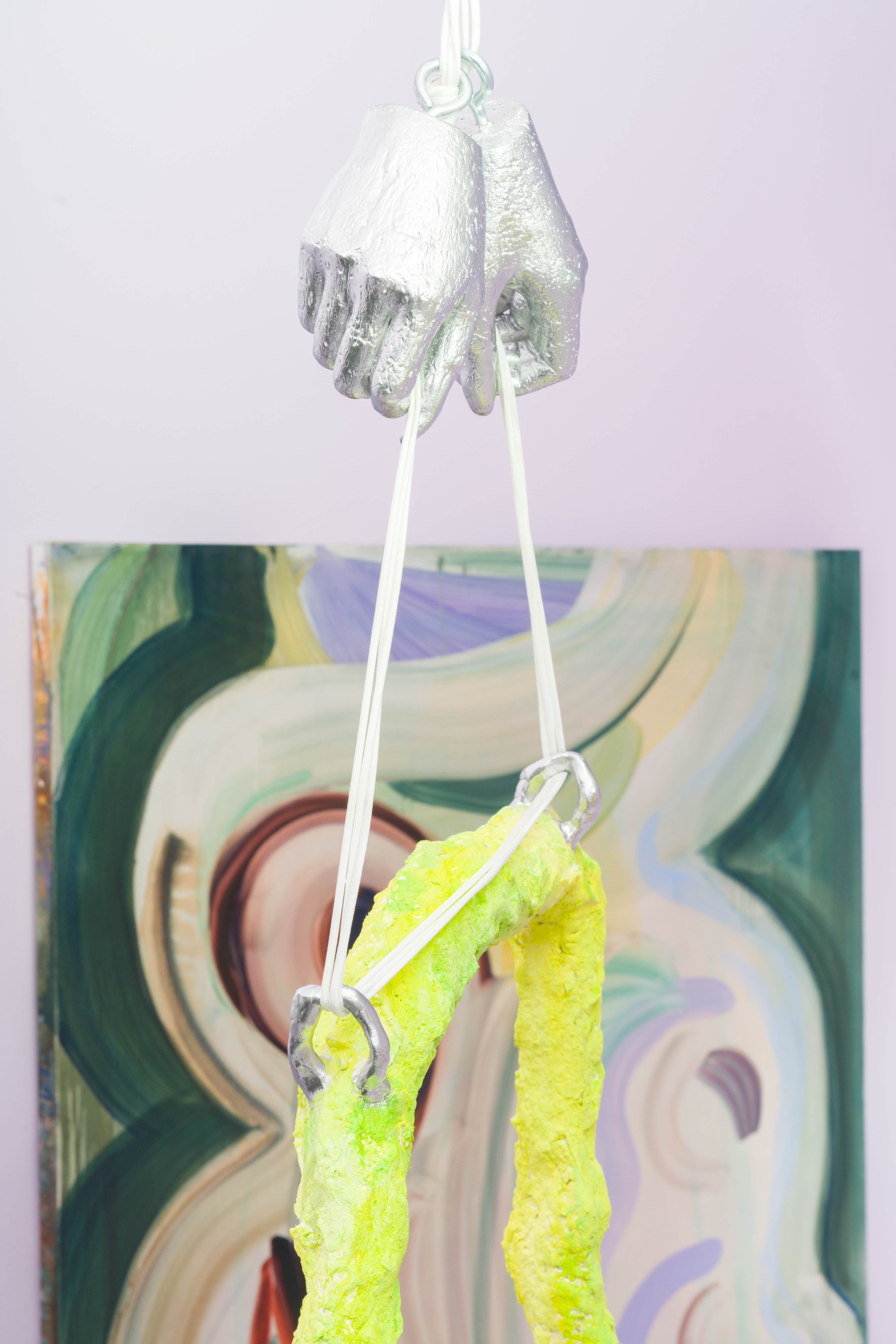
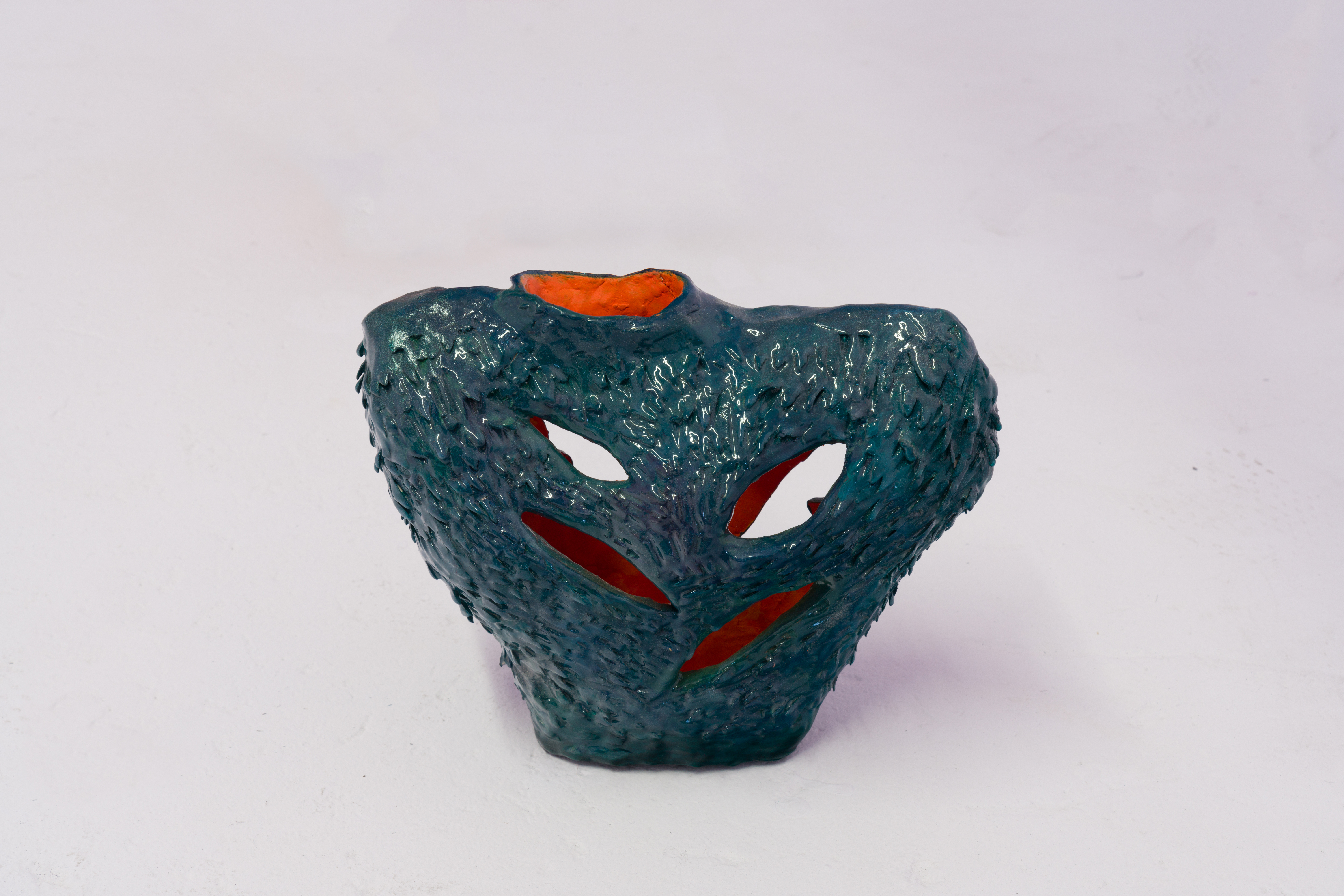
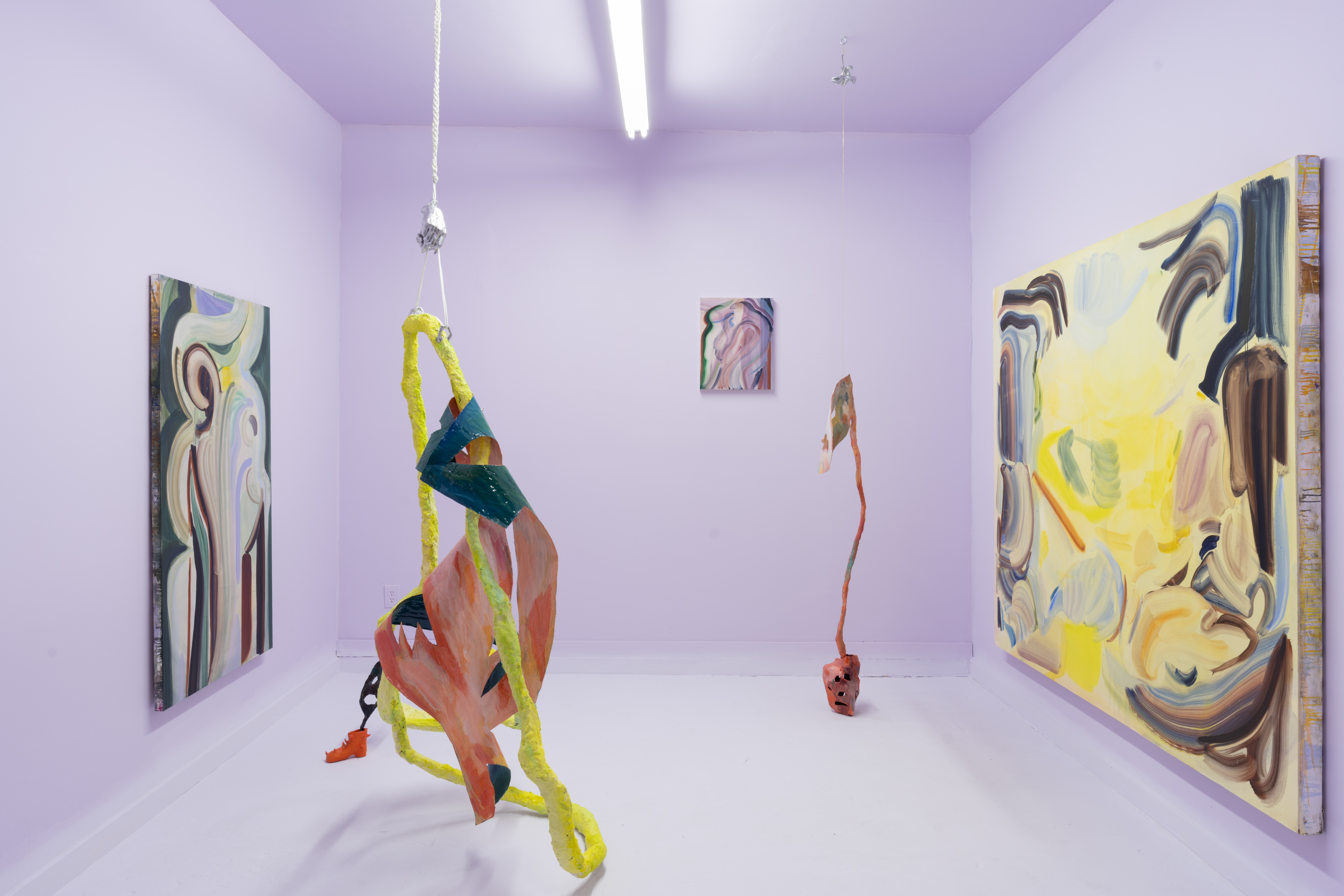
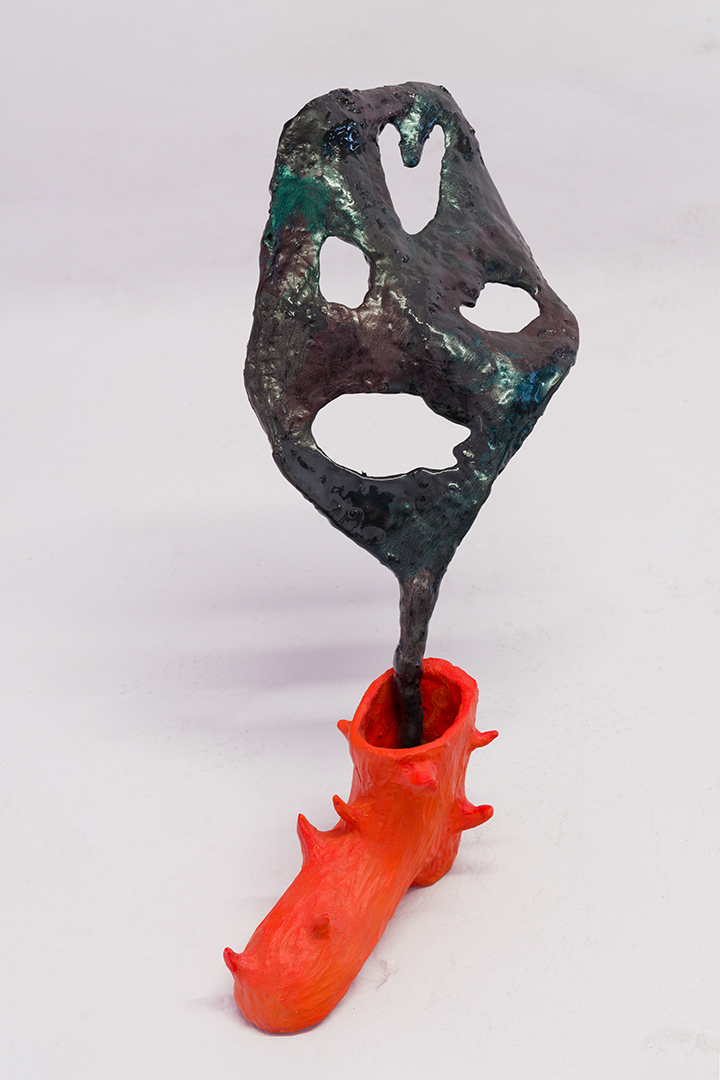
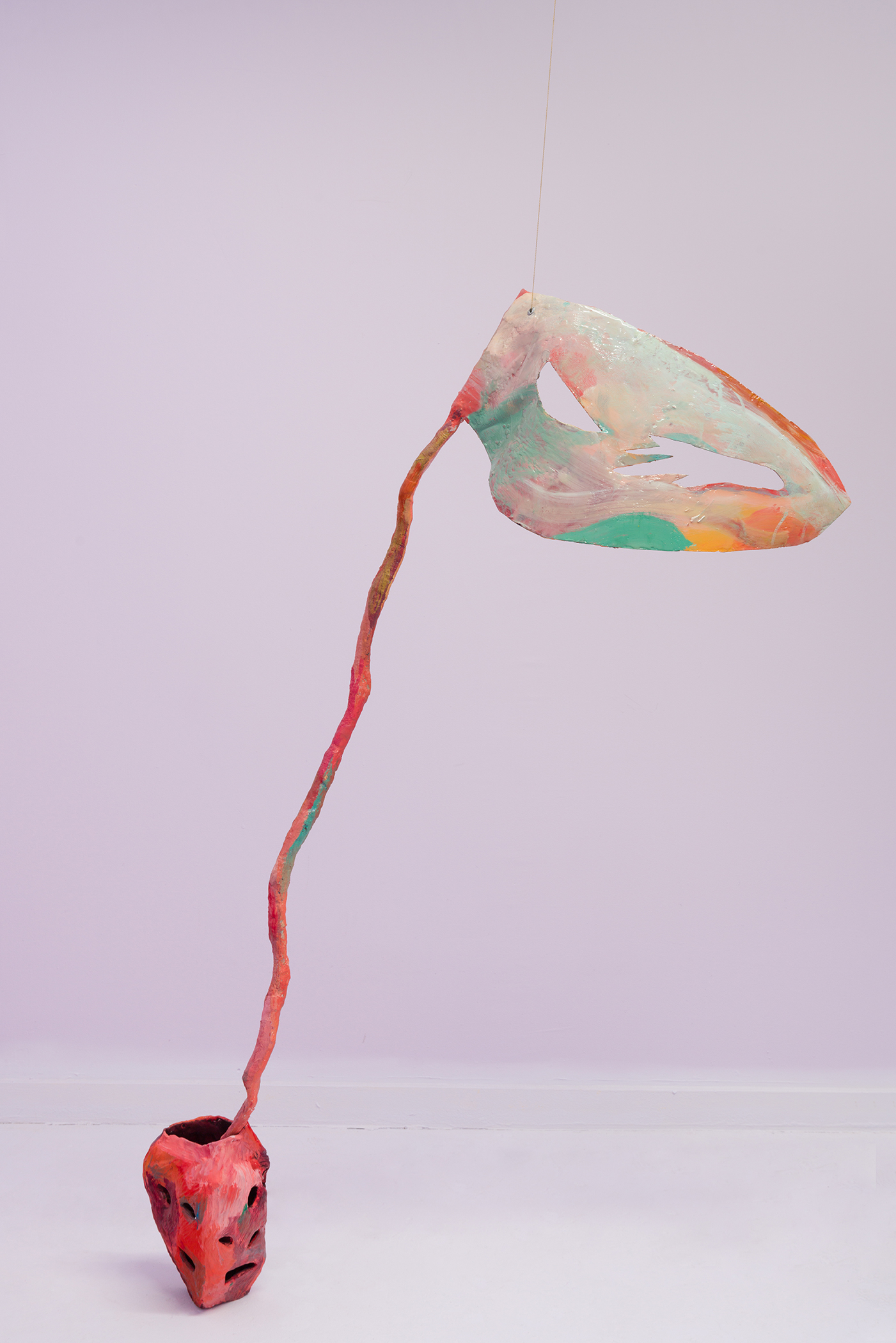
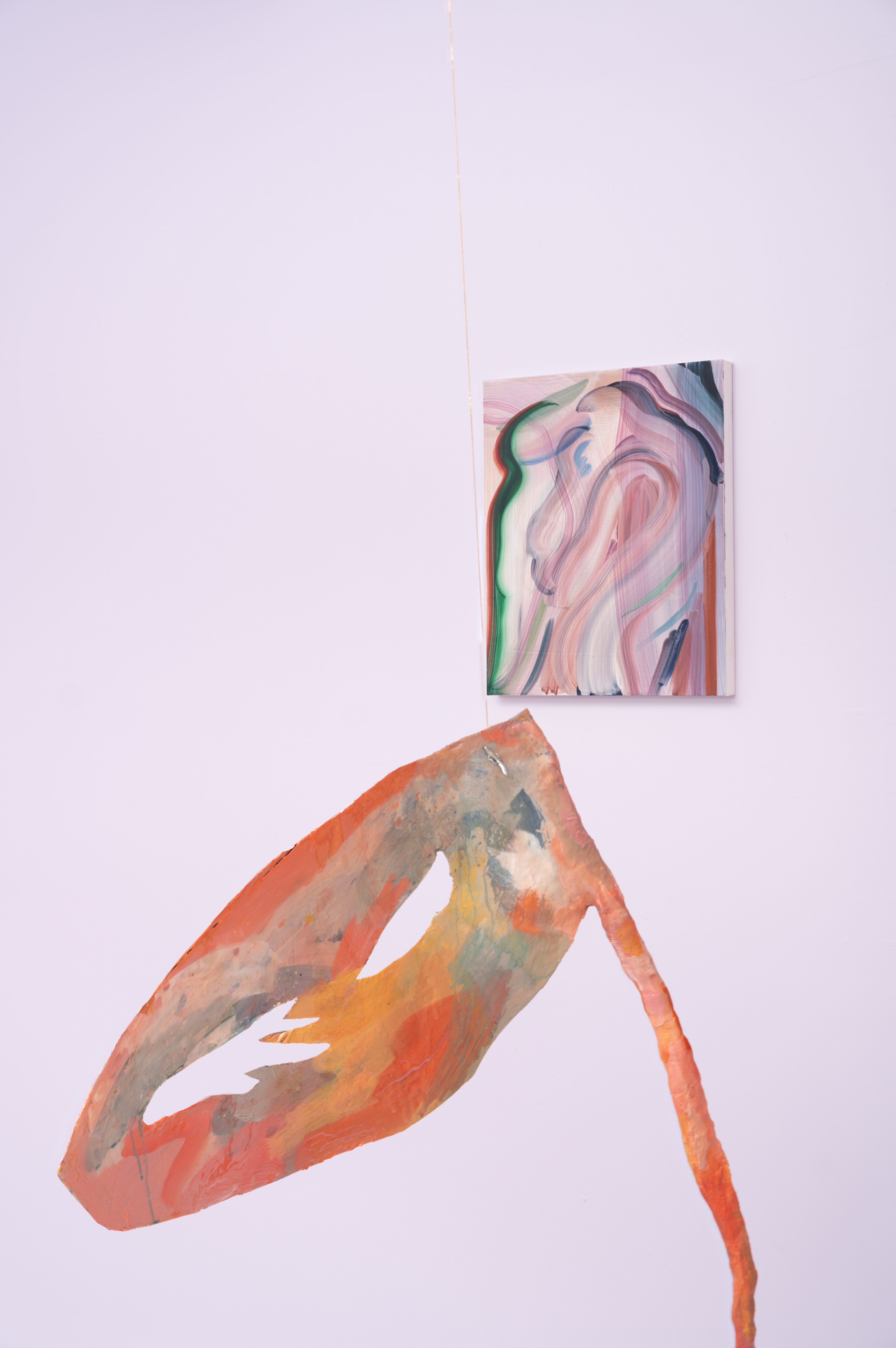
The HIDEBEHIND is an ongoing collaborative dialogue by myself and Amy MacKay. The project draws inspiration from the American myth of the Hidebehind, a forest-dwelling monster known for its ability to conceal itself. With a history of sharing a studio space for over 8 years and collaborating on various works and community projects, the series investigates the dynamics of coexistence and our responses to encountering difference. Through the interaction of painting and sculpture, The Hidebehind explores our intimate relationship and the interplay between these art forms.
Amy MacKay made the paintings in this series.
photo documentation by Yubo Dong ofstudio photography
(Right-click open in new tab to see Hi-Res images)
Collaborative Exhibition, August 7-20, 2021
The HIDEBEHIND is an ongoing collaborative dialogue by myself and Amy MacKay. The project draws inspiration from the American myth of the Hidebehind, a forest-dwelling monster known for its ability to conceal itself. With a history of sharing a studio space for over 8 years and collaborating on various works and community projects, the series investigates the dynamics of coexistence and our responses to encountering difference. Through the interaction of painting and sculpture, The Hidebehind explores our intimate relationship and the interplay between these art forms.
Amy MacKay made the paintings in this series.
photo documentation by Yubo Dong ofstudio photography
(Right-click open in new tab to see Hi-Res images)